Species Plate · Foundation Canopy
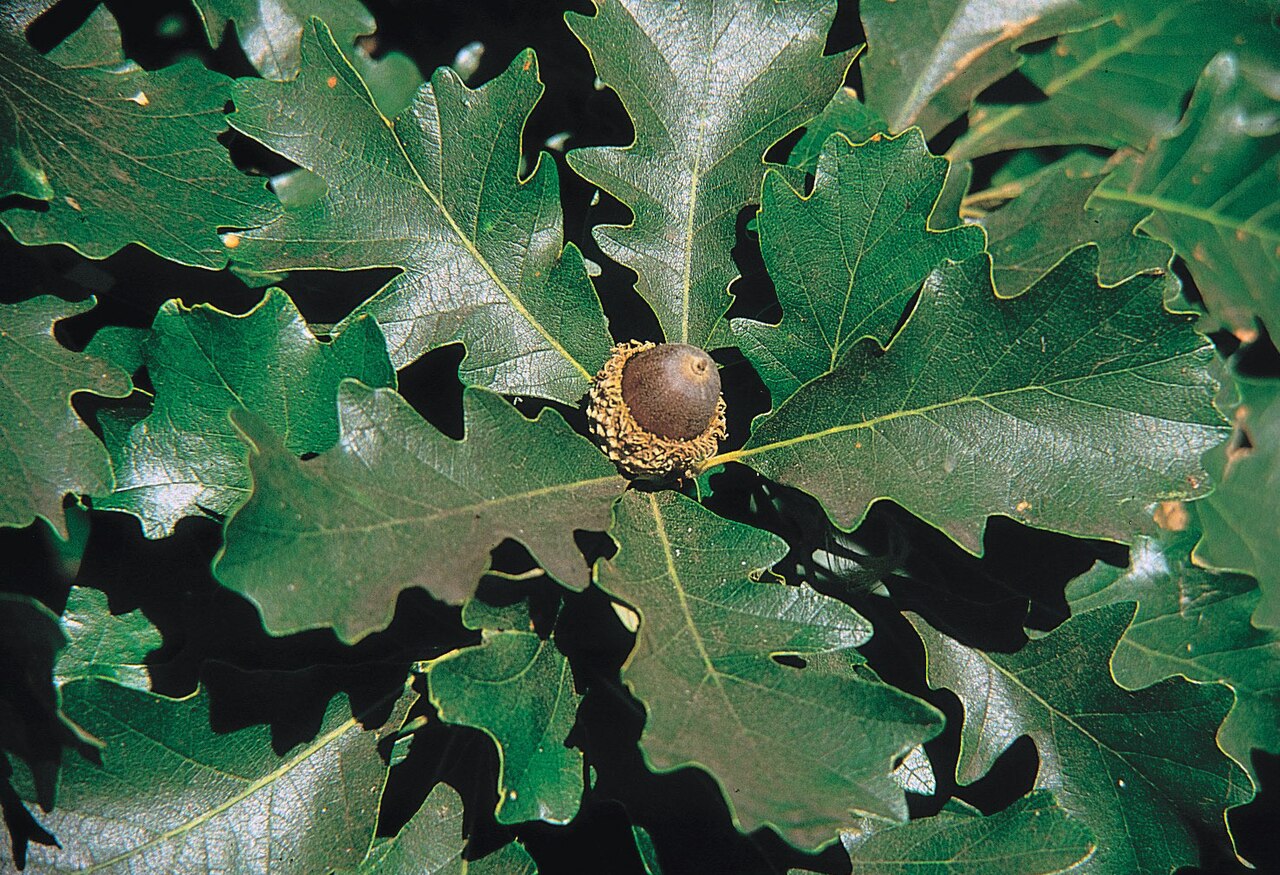
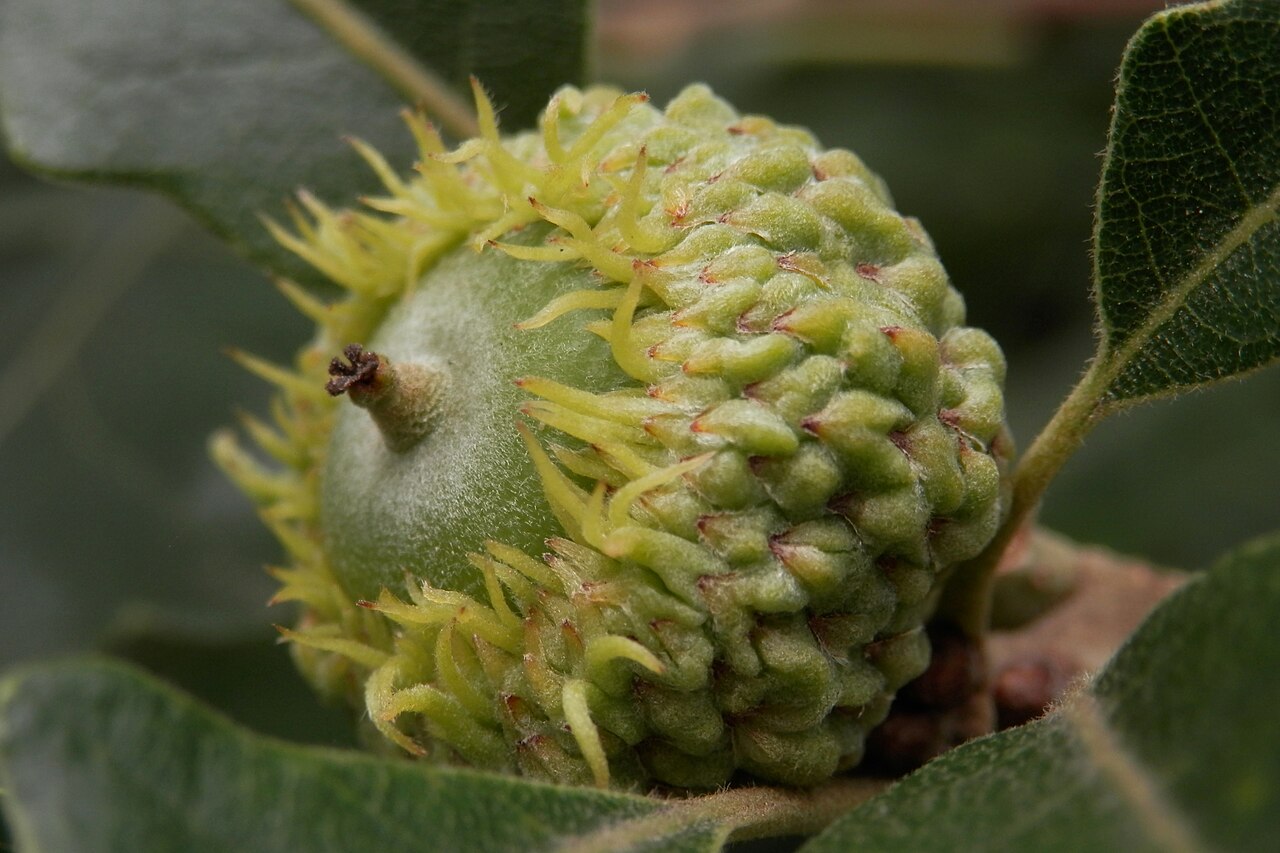
Bur Oak
Restoration Role
Foundation canopy tree. Bur Oak provides large-canopy structure, shade, and heavy mast production. It is more adaptable to drainage edges and deeper soils than Post Oak.
Site Suitability
PrimaryRiver Conservation Strip, Drainage Edge, Western Headwaters Savanna
SecondaryFilter Band, Shelterbelt
AvoidExtremely shallow limestone shelves
SoilsBeB, SeC, RuB, Oa, SuB
HydrologyAdaptable; tolerates seasonal wetness and drought once established
Propagation & Care
Seed collectionCollect acorns September–November. Prioritize large, heavy, undamaged acorns. Float test.
StratificationUsually not required. Optional 30–60 days cold storage.
PropagationPlant 1–1.5 inches deep in D40 Deepot. Germination: 2–8 weeks.
Container progressionAcorn → D40 Deepot → Field planting.
Nursery wateringModerate moisture. Do not allow complete dry-down.
LightFull grow lights after sprouting. Harden to full sun.
OutplantingBest age 6–18 months. Plant November–February.
Establishment Watering
- Year 1: 10 gallons every 10–14 days during drought.
- Year 2: 15 gallons every 3 weeks if dry.
- Year 3: drought only.
Field notesOne of the most adaptable oaks in the manual. Excellent candidate for drainage edges and deep savanna soils.
Quick Reference
Difficulty2 / 5
Growth rateModerate
DroughtVery good
FloodGood
WildlifeExcellent
Browse PressureModerate; protect young trees
MethodSeed
ContainerD40 Deepot
SourcesPropagation data from the Short’s Resort Native Tree & Shrub Propagation Manual (SR-PROP-01). Photographs via Wikimedia Commons under the licenses noted on each image; credit to the individual photographers above.