Species Plate · Foundation Canopy
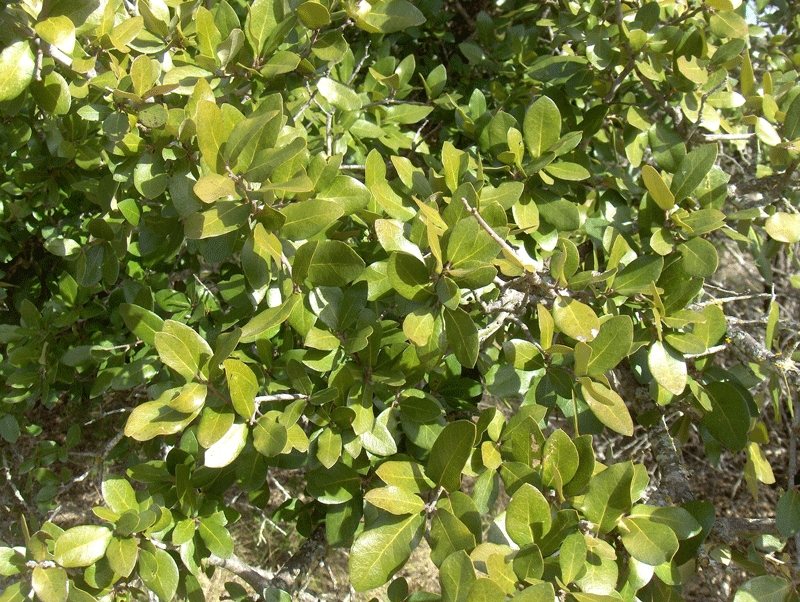
Live Oak
Restoration Role
Foundation evergreen canopy. Live Oak provides year-round structure, nesting cover, thermal shelter, and iconic Hill Country character.
Site Suitability
PrimaryWestern Headwaters Savanna, Eastern Shelterbelt
SecondaryDrainage Savanna Edge
AvoidWet floodplain, saturated low areas
SoilsSeC, RuB, SuB
HydrologyUpland, well-drained, drought tolerant
Propagation & Care
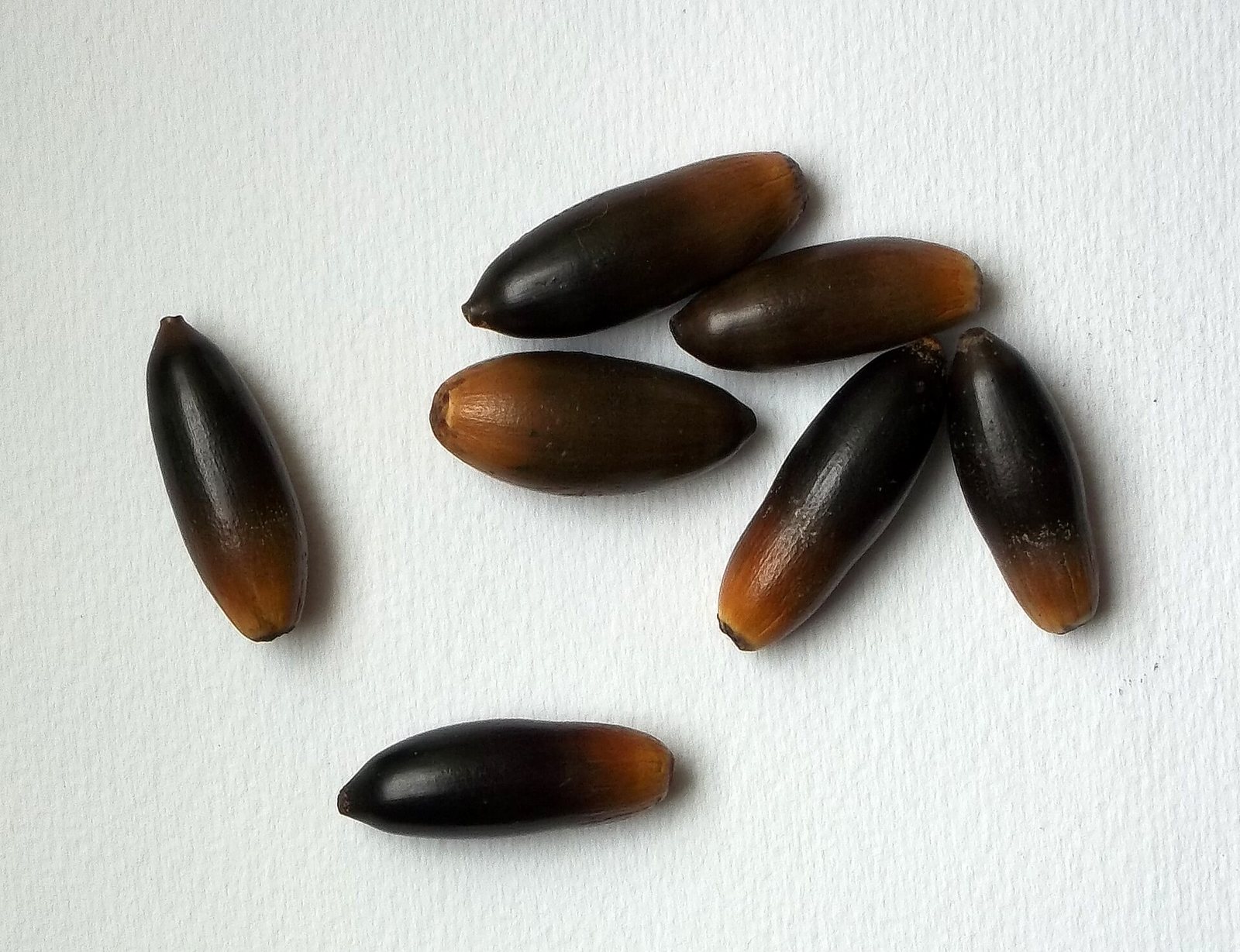
Seed collectionCollect mature brown acorns September–December. Float test.
StratificationUsually unnecessary. Optional 30 days cold storage.
PropagationPlant 1 inch deep in D40 Deepot. Germination: 2–6 weeks.
Container progressionAcorn → D40 Deepot → Field planting.
Nursery wateringModerate. Allow slight drying between watering.
LightStrong grow lights. Harden to full sun.
OutplantingBest age 8–18 months. Plant November–February.
Establishment Watering
- Year 1: 10 gallons every 10–14 days during drought.
- Year 2: 15 gallons every 3–4 weeks if dry.
- Year 3: minimal.
Field notesEscarpment live oak (Quercus fusiformis), the drought- and cold-hardy Edwards Plateau species west of Q. virginiana’s Texas range; the two hybridize freely in the transition zone. Do not crowd — Live Oaks become enormous. One well-placed Live Oak can become a destination on the property.
Quick Reference
Difficulty2 / 5
Growth rateModerate
DroughtExcellent
FloodFair
WildlifeExcellent
Browse PressureModerate
MethodSeed
ContainerD40 Deepot
SourcesPropagation data from the Short’s Resort Native Tree & Shrub Propagation Manual (SR-PROP-01). Photographs via Wikimedia Commons under the licenses noted on each image; credit to the individual photographers above.