Species Plate · Structural Shrubs
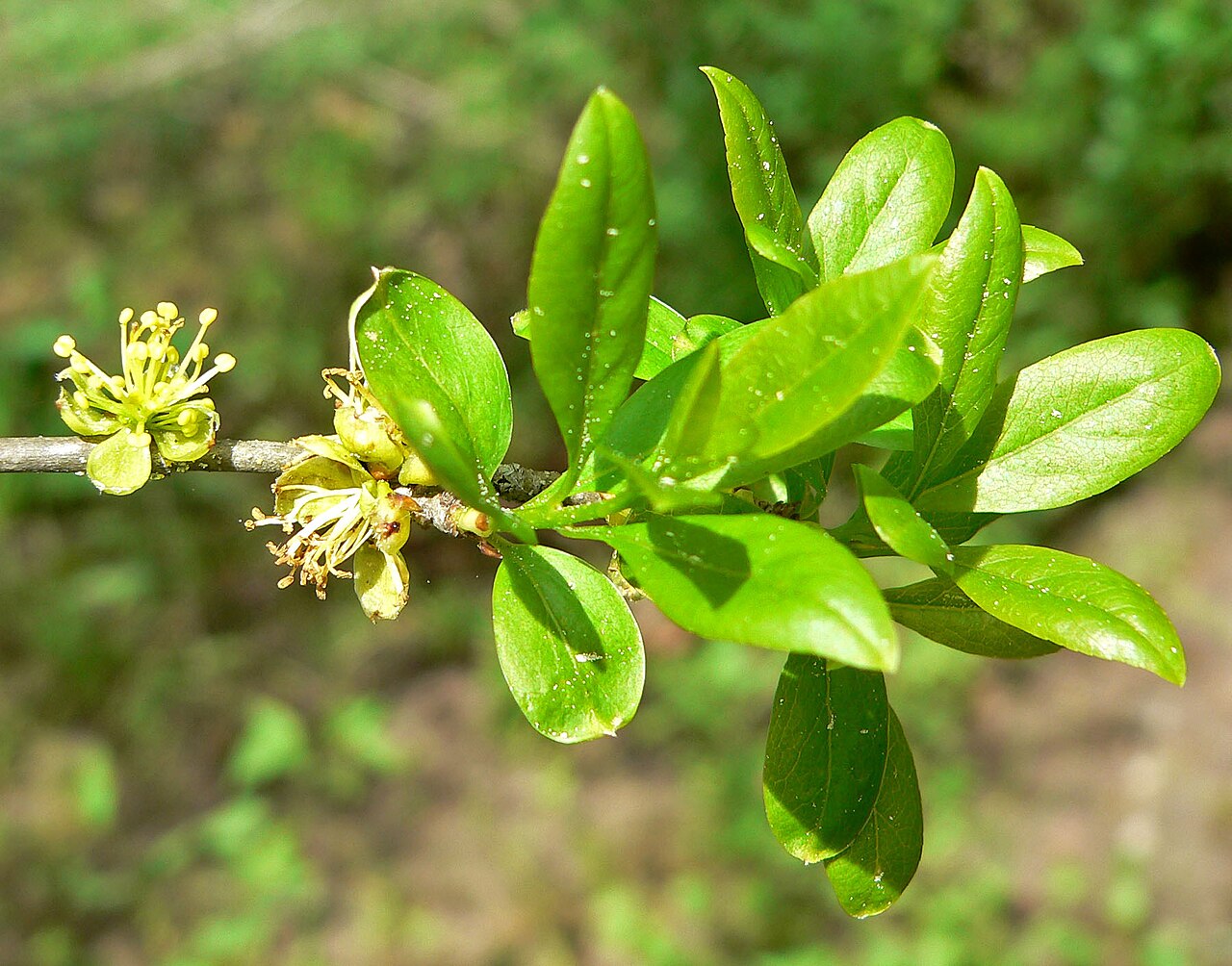
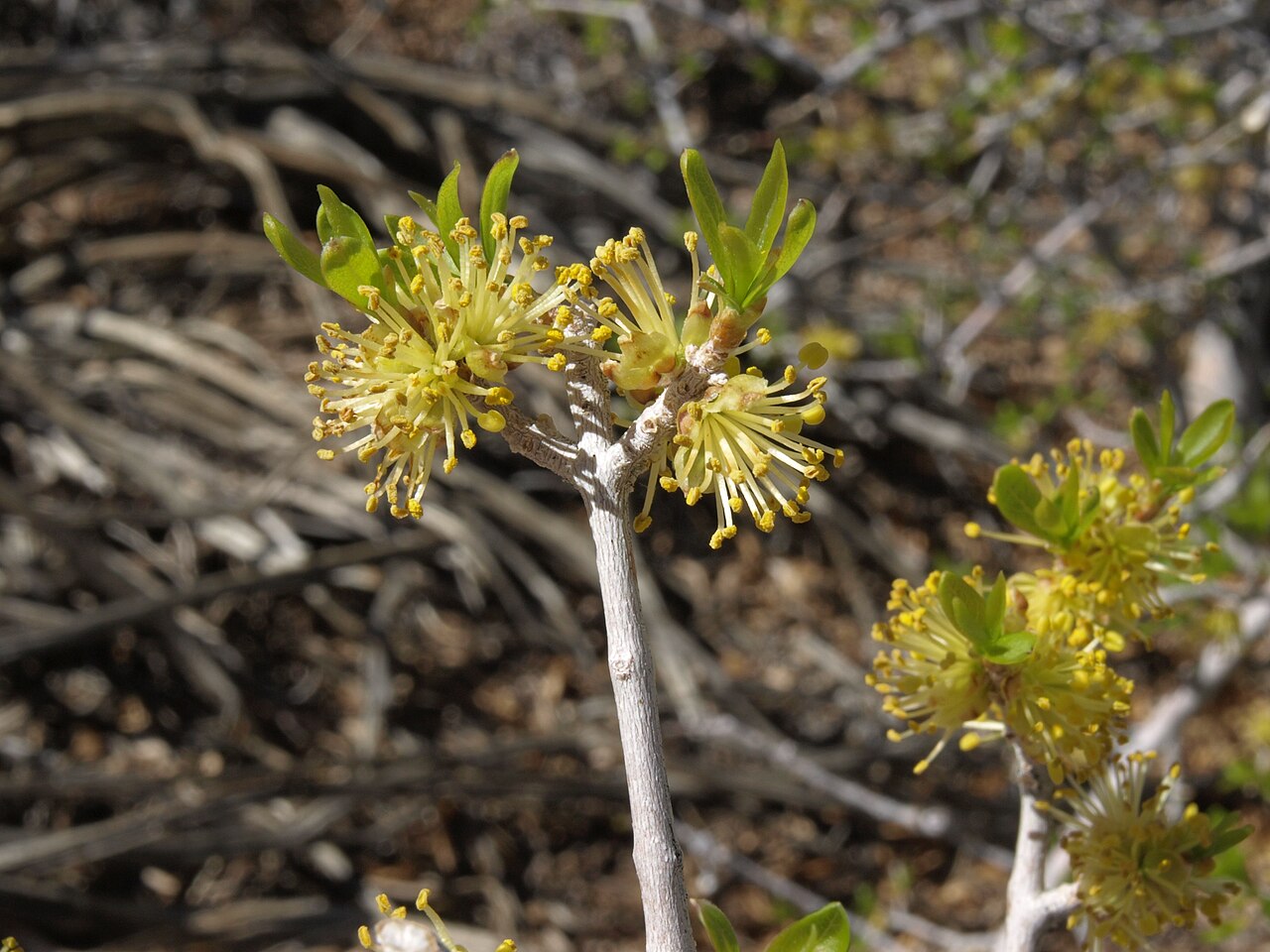
Elbowbush
Restoration Role
Wildlife thicket shrub. Elbowbush provides fruit, cover, early pollinator value, and resilient shrub structure.
Site Suitability
PrimaryRiver edge, Drainage edge, Filter Band, Shelterbelt
SecondaryUpland thicket pockets
Avoid—
SoilsAll mapped soils
HydrologyAdaptable; tolerates more moisture than agarita
Propagation & Care
Seed collectionCollect ripe purple-black berries late summer to fall.
StratificationClean pulp thoroughly. Cold stratification 30 days, or sow in fall and let winter do it.
PropagationFrom suckers: elbowbush suckers and layers freely — lift a rooted sucker in winter for the fastest plant where a colony exists. From seed: sow 1/4 inch deep after stratification. From cuttings: semi-hardwood early summer, rooting hormone + humidity dome; rooting in 4–10 weeks.
Container progressionSeed / cutting → 5-inch pot → 1-gal fabric if needed → Field planting.
Nursery wateringModerate moisture. Do not keep saturated. Fabric stage: if the plant moves up from the 5-inch pot, fabric dries much faster than plastic and needs a lot more watering outdoors in a Central Texas summer. We have not set the frequency yet.
LightBright light to part sun. Harden to full or part sun.
OutplantingBest age 6–18 months. Plant November–February. Stock held in a 1-gal fabric pot can go out later — air-pruned roots don’t circle, so the window extends. The first cohort will set the actual figure.
Establishment Watering
- Year 1: 5 gallons every 2 weeks during drought.
- Year 2: drought only.
Field notesForestiera pubescens is dioecious — only female plants fruit, and they need a male nearby. Propagate from known female plants where fruit is the objective, and include males for pollination. Better from cuttings than seed if donor plants are available.
Quick Reference
Difficulty3 / 5
Growth rateModerate
DroughtExcellent
FloodGood
WildlifeExcellent
Browse PressureModerate
MethodSuckers/layers, cuttings, or seed
Container5-inch pot
SourcesPropagation data from the Short’s Resort Native Tree & Shrub Propagation Manual (SR-PROP-01), checked against the NPSOT Native Plants Database and USDA PLANTS in September 2026. Names follow USDA PLANTS; where NPSOT files the plant differently, its name is given under the title. Browse-pressure ratings are the station’s own judgement, checked against the Lady Bird Johnson Wildflower Center. Photographs via Wikimedia Commons under the licenses noted on each image; credit to the individual photographers above.