Species Plate · Structural Shrubs
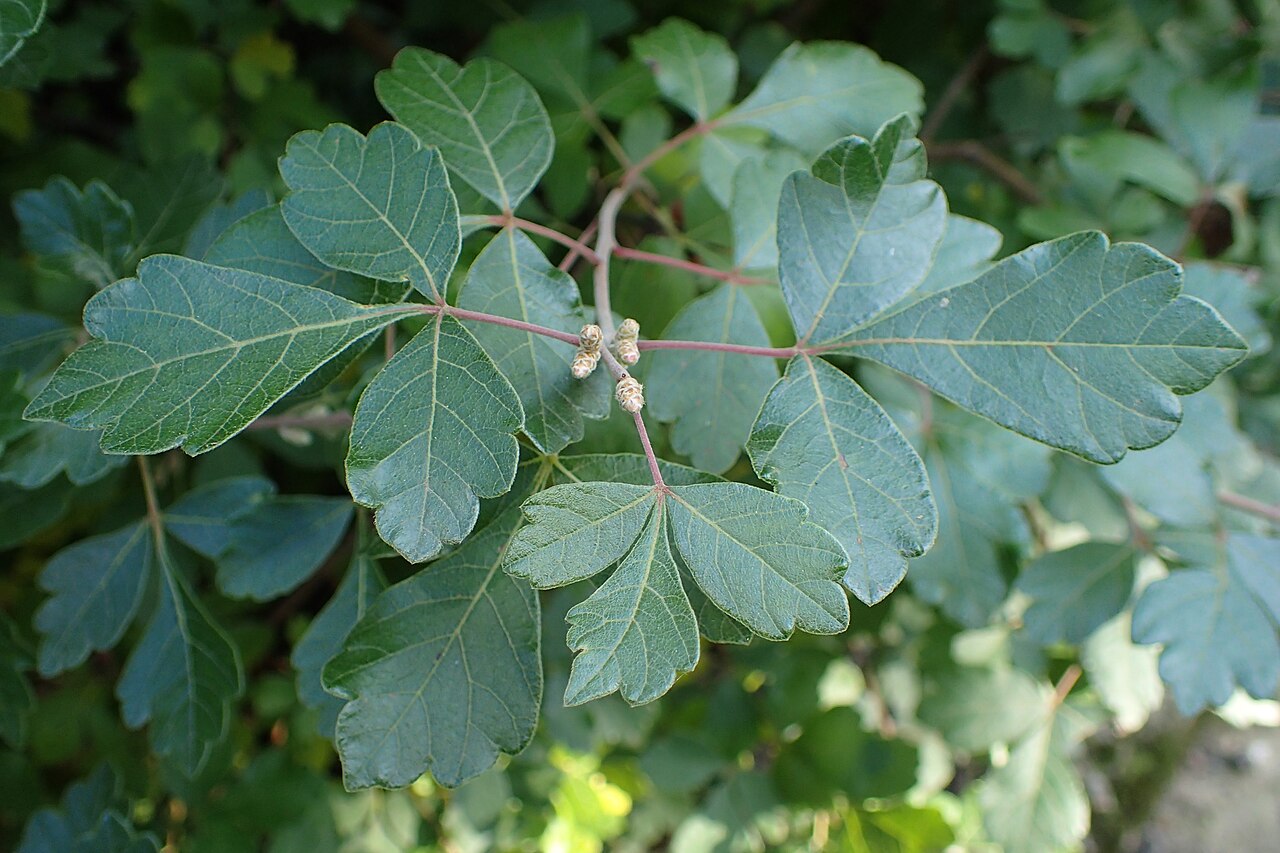
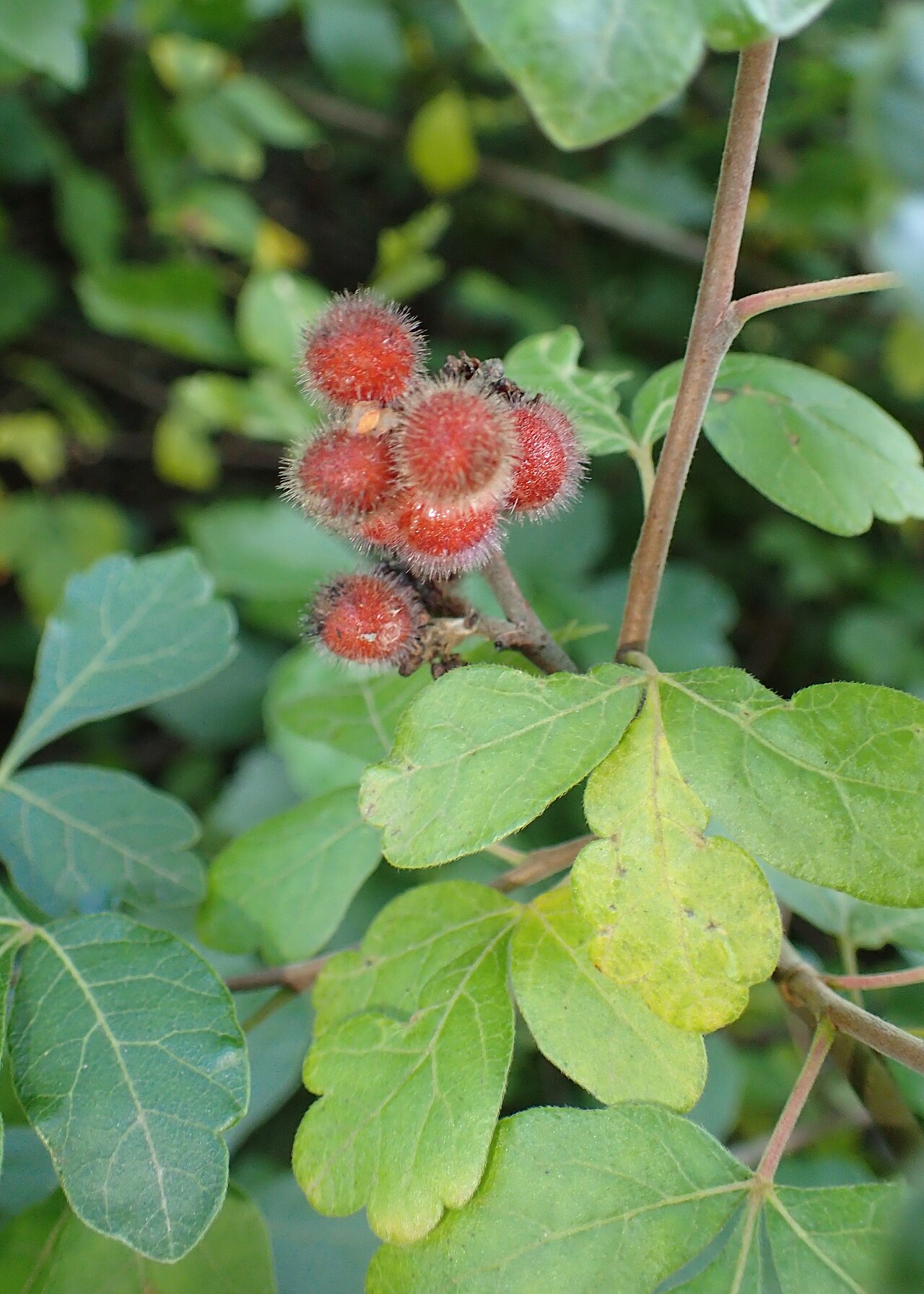
Fragrant Sumac
Restoration Role
Drought-tolerant wildlife shrub. Fragrant Sumac provides cover, fruit, erosion control, and low thicket structure.
Site Suitability
PrimaryUpland Savanna, Shelterbelt, Filter Band, Drainage Edge
SecondaryHigh river terrace
AvoidWet core, saturated soils
SoilsSeC, RuB, SuB
HydrologyDry to moderate, well-drained
Propagation & Care
Seed collectionCollect ripe red drupes late summer to fall.
StratificationSeeds may require scarification plus cold stratification 60–90 days.
PropagationFrom division: fragrant sumac spreads by rhizomes — lift a rooted sucker or divide a clump in winter. From cuttings: semi-hardwood in summer, rooting hormone recommended.
Container progressionSeed / cutting → 5-inch pot → 1-gal fabric if needed → Field planting.
Nursery wateringLow to moderate. Avoid soggy soil. — Fabric stage (if the plant moves up from the 5-inch pot): fabric dries much faster than plastic and needs substantially more frequent watering outdoors in a Central Texas summer; the exact frequency is not yet set at the bench (open).
LightFull sun.
OutplantingBest age 6–18 months. Plant November–February. Stock held in a 1-gal fabric pot may be outplanted later — air-pruned roots don’t circle, so the window extends; the actual figure will come from the first cohort.
Establishment Watering
- Year 1: 5 gallons every 2–3 weeks during drought.
- Year 2: drought only.
Field notesUseful as a low, tough shrub layer around oak savanna plantings.
Quick Reference
Difficulty3 / 5
Growth rateModerate
DroughtExcellent
FloodPoor to fair
WildlifeGood
Browse PressureModerate to good
MethodSeed, cuttings, division
Container5-inch pot
SourcesPropagation data from the Short’s Resort Native Tree & Shrub Propagation Manual (SR-PROP-01). Photographs via Wikimedia Commons under the licenses noted on each image; credit to the individual photographers above.