Species Plate · Structural Shrubs
Possumhaw Holly
Restoration Role
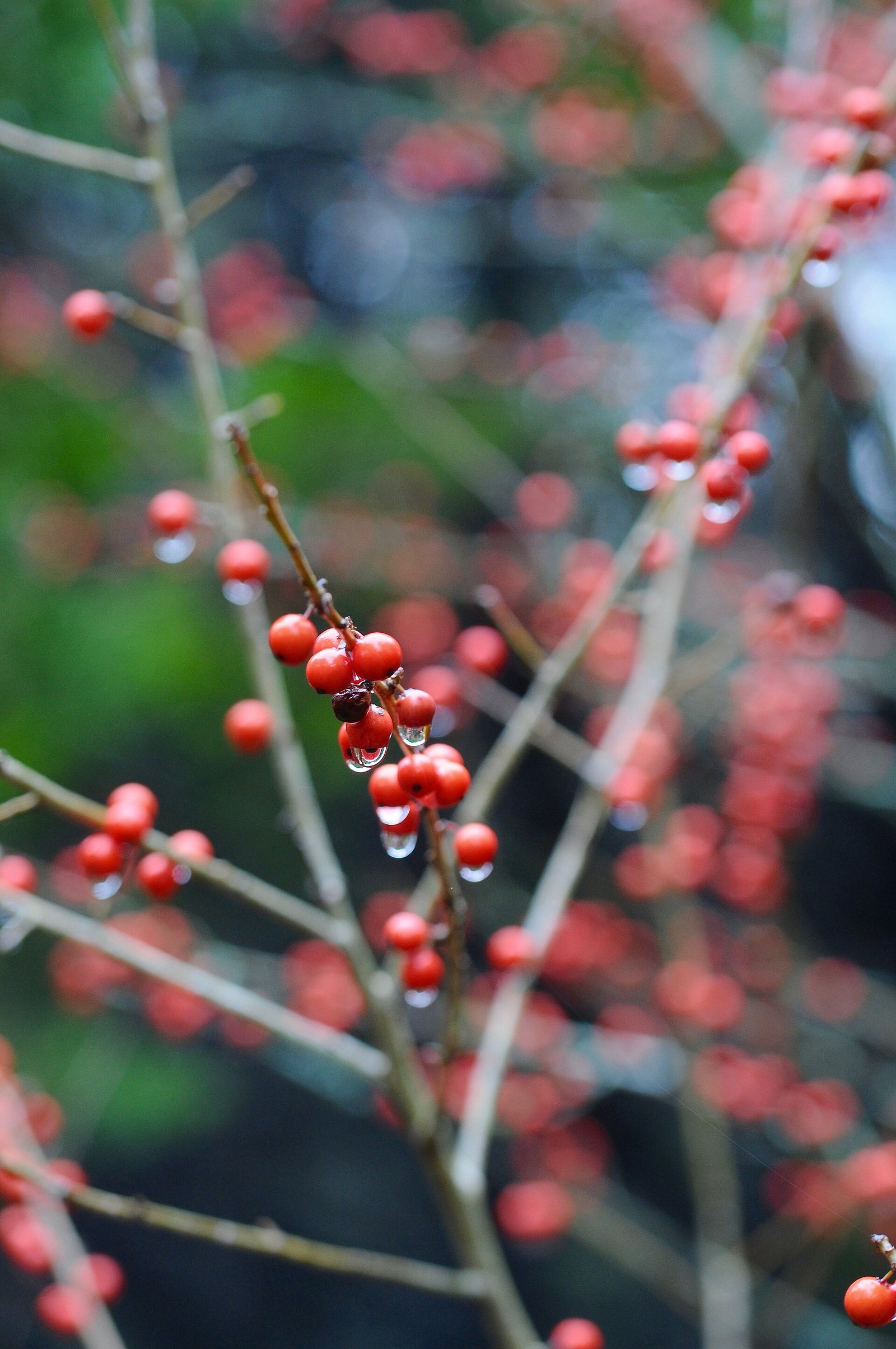
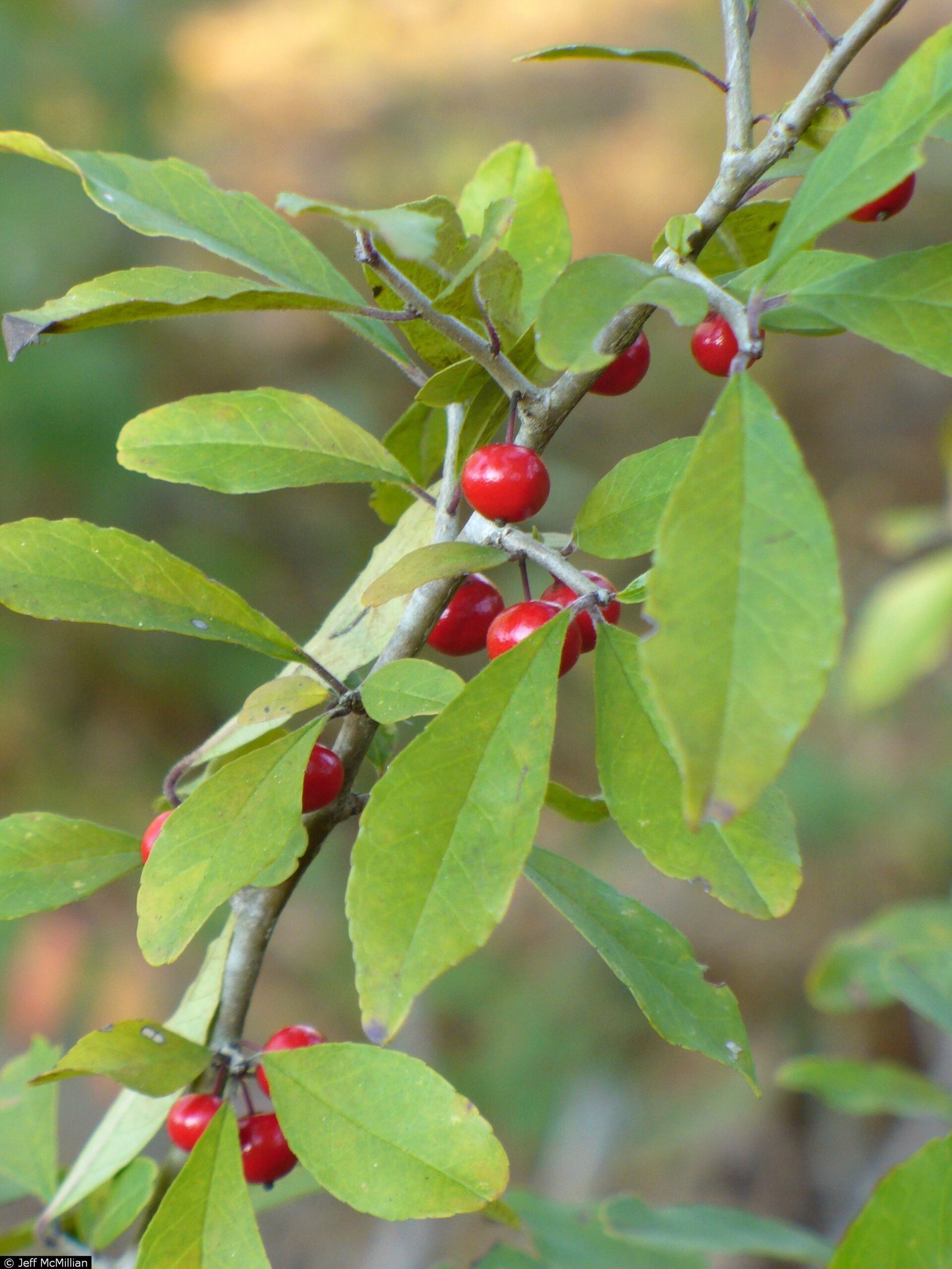
Deciduous wildlife shrub. Possumhaw drops its leaves to reveal bright red berries held on bare branches through winter for cedar waxwings, robins and other birds — a bright note in the shelterbelt understory. Dioecious: only female plants fruit.
Site Suitability
PrimaryEastern Shelterbelt understory, drainage edges
SecondaryRiver edge, filter band
AvoidPermanently saturated drainage core; driest caliche uplands
SoilsBeB, SeC, RuB; adaptable
HydrologyMoist to seasonally wet; adaptable, sun to part shade
Propagation & Care
Seed collectionCollect ripe red berries late fall through winter from known female plants; clean the pulp.
StratificationWarm stratification 60–90 days then cold 60–90 days — seed is double-dormant and slow, and germination can take a year or more. (Ilex is a warm-then-cold genus; do not shortcut it.)
PropagationFrom cuttings (the faster route): semi-hardwood cuttings under mist with rooting hormone. From suckers: lift a rooted sucker from an established colony in winter. From seed: clean the pulp and give the full warm-then-cold stratification, then be patient. Possumhaw is dioecious — only female plants fruit, and they need a male nearby; propagate from known female (berrying) plants where fruit is the objective, and keep a male in every planting.
Container progressionCutting / sucker → 5-inch pot → 1-gal fabric if held → Field planting.
Nursery wateringModerate; tolerates wetter conditions than most. Do not let it bake dry.
LightSun to part shade; fruits best with good light.
OutplantingBest age 12–18 months. Plant November–February.
Establishment Watering
- Year 1: 5 gallons every 2 weeks during drought.
- Year 2: drought only.
Field notesA congener of yaupon and handled the same way — same dioecy, same warm-then-cold dormancy. Hold back known males when thinning so every planting keeps a pollinator. On-site provenance where a colony exists.
Quick Reference
Difficulty3 / 5
Growth rateModerate
DroughtGood
FloodGood
WildlifeExcellent
Browse PressureModerate
MethodSuckers or cuttings
Container5-inch pot
SourcesPropagation data from the Short’s Resort Native Tree & Shrub Propagation Manual (SR-PROP-01). Photographs via Wikimedia Commons under the licenses noted on each image; credit to the individual photographers above.