Species Plate · Riparian Trees
Texas Sycamore
Restoration Role
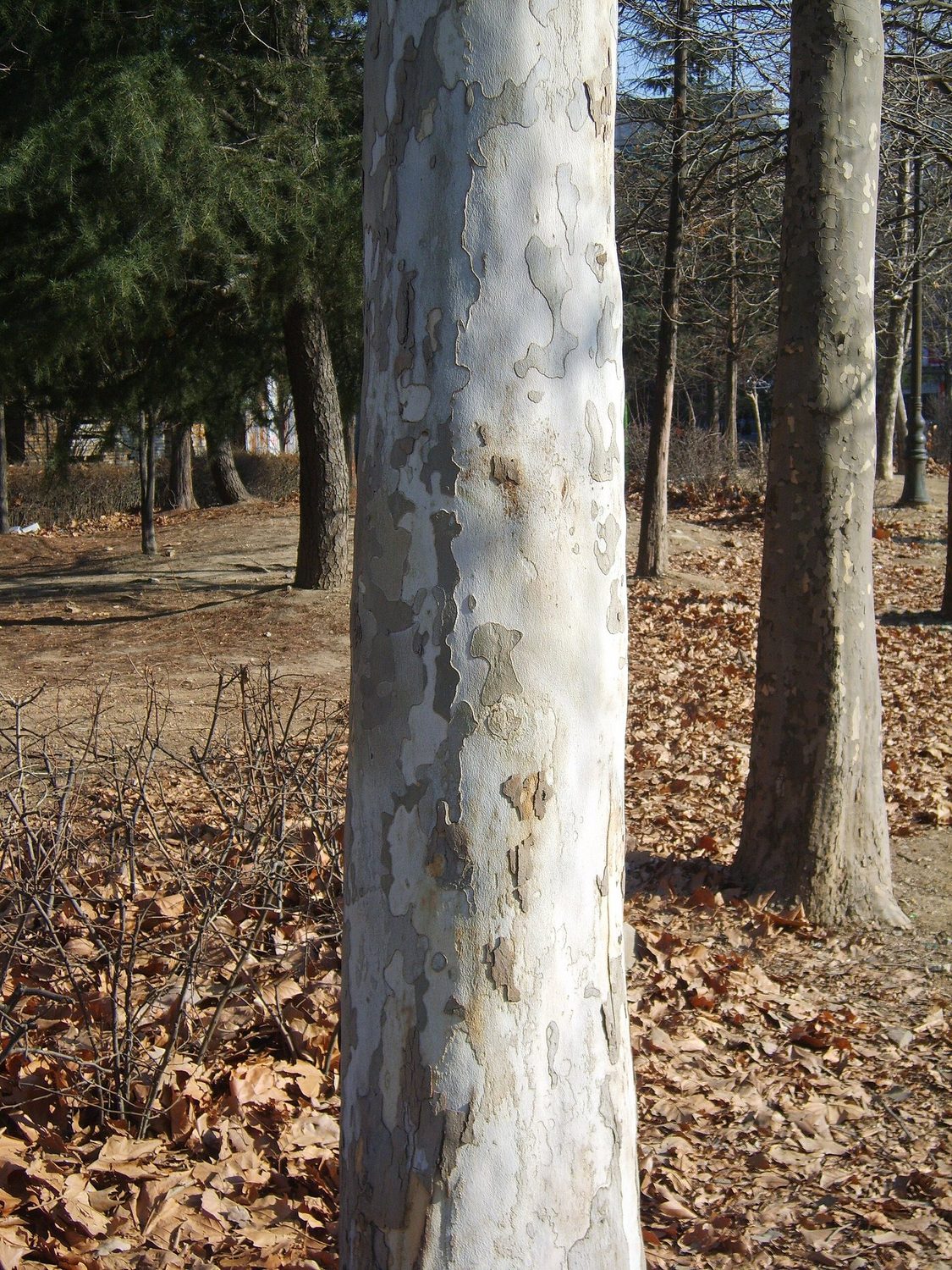
Large riparian canopy tree — the signature white-barked tree of Hill Country spring-fed streams. It wants periodic flooding without constant saturation, the regime of most of the drainage corridor, and grows fast into a wide canopy with cavity habitat as it ages.
Site Suitability
PrimaryRiver Conservation Strip, Drainage Corridor terraces, spring-fed reaches
SecondaryDeep alluvial pockets with reliable moisture
AvoidUplands, shallow caliche, permanently saturated core — it wants flooding that recedes
SoilsBeB, Oa, deep SuB
HydrologyPeriodic flooding on deep moist soil; poor in standing water
Propagation & Care
Seed collectionCollect the hanging seed balls in late fall to winter once brown and dry; break them apart for the achenes.
StratificationCold-moist stratify 60–90 days, or sow fresh in fall and let winter do it.
PropagationFrom seed: sow shallowly — barely covered — on moist media and keep evenly damp until germination. From cuttings: possible, but they strike less reliably than willow or cottonwood; seed is the practical route.
Container progressionSeed → Bootstrap Cell → D40 Deepot → Field planting.
Nursery wateringKeep consistently moist; sycamore is thirsty and will not tolerate drying out young.
LightFull sun.
OutplantingBest age 6–18 months. Plant November–February into moist ground.
Establishment Watering
- Year 1: 15 gallons every 7–10 days during dry periods.
- Year 2: 15 gallons every 2–3 weeks if dry.
- Year 3: drought support near water.
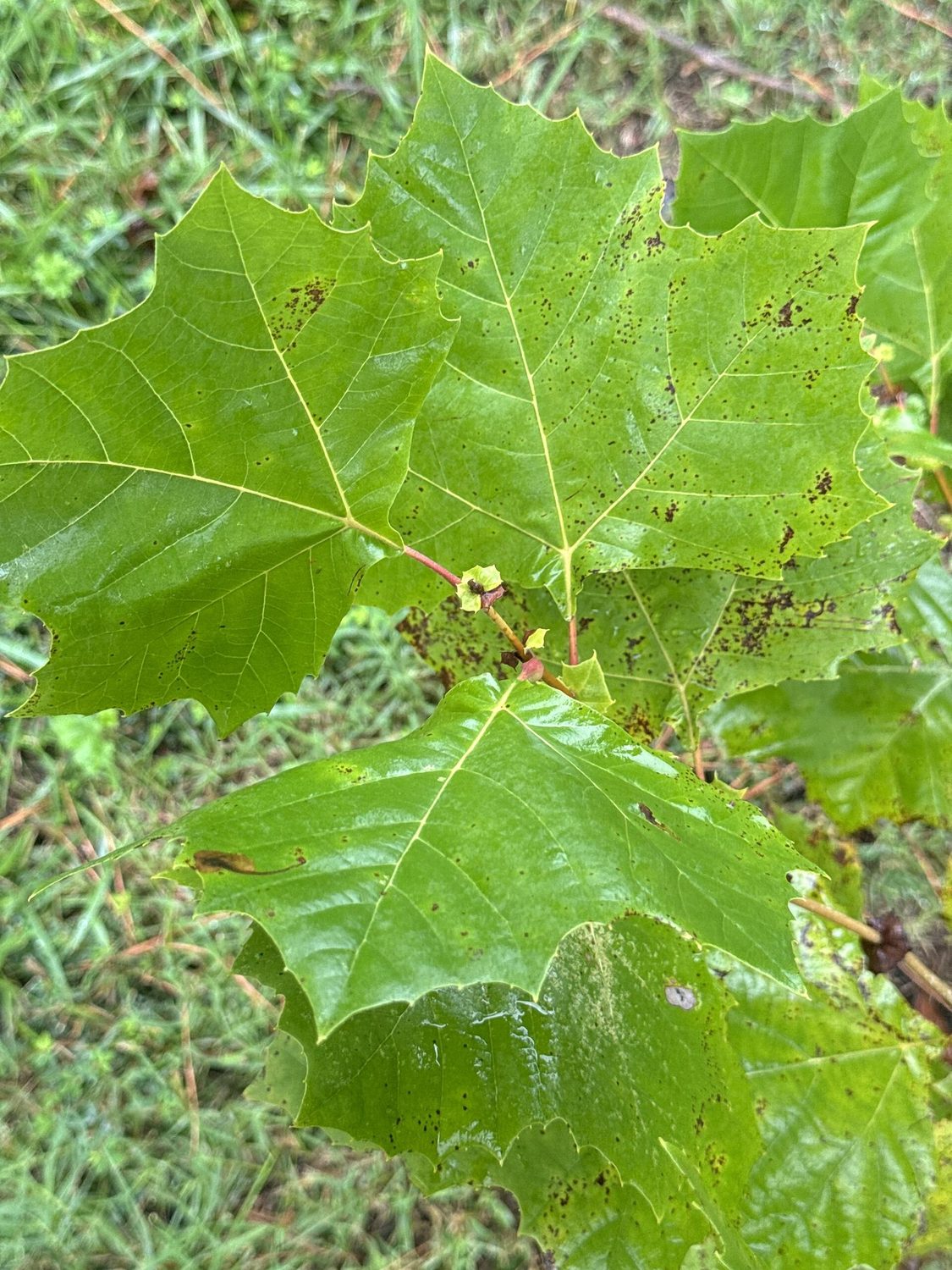
Field notesGive it room and reliable moisture. Anthracnose can defoliate it in wet springs — usually cosmetic once established. Plant on terraces that flood and drain, not the standing-water core where buttonbush and willow belong. Taxonomy: the manual files it as Platanus occidentalis var. glabrata, the western Texas variety — verify rank and symbol against USDA PLANTS, as some treatments sink it into straight P. occidentalis.
Quick Reference
Difficulty2 / 5
Growth rateFast
DroughtModerate once established
FloodVery good — periodic, not standing
WildlifeGood
Browse PressureModerate
MethodSeed
ContainerD40 Deepot
SourcesPropagation data from the Short’s Resort Native Tree & Shrub Propagation Manual (SR-PROP-01). Photographs via Wikimedia Commons under the licenses noted on each image; credit to the individual photographers above.