Species Plate · Specialty Trees
Texas Madrone
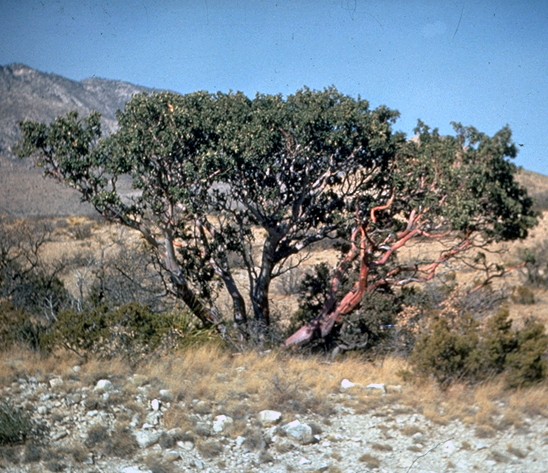
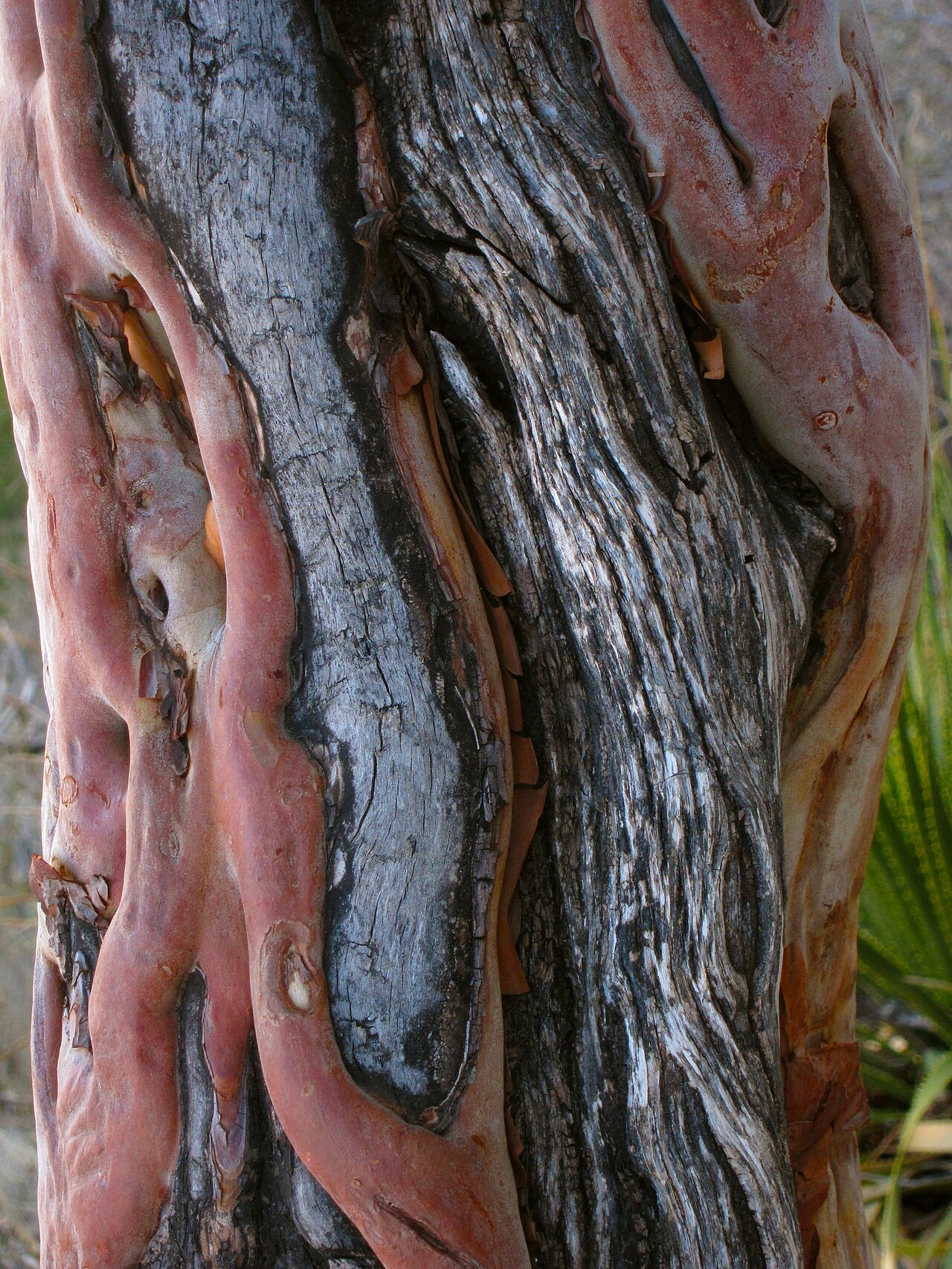
Restoration Role
Signature specimen. Texas Madrone is rare, beautiful, difficult, and worth attempting in limited numbers.
Site Suitability
PrimaryRocky, well-drained upland microsites; protected slopes
SecondaryShelterbelt high pockets with excellent drainage
AvoidWet soils, clay basins, drainage core, floodplain
SoilsWell-drained rocky SeC/SuB microsites
HydrologyDry, sharply drained, no wet feet
Propagation & Care
Seed collectionCollect ripe red/orange fruit when fully mature.
StratificationClean pulp carefully. Cold stratification 60–90 days may improve germination.
PropagationSow shallowly in very well-drained mineral media. Avoid overwatering.
Container progressionSeed → D60 / tall treepot → Field planting with minimal root disturbance.
Nursery wateringLight, careful watering. Let media approach dry between waterings. Never keep soggy.
LightBright light. Protect from extreme heat while young.
OutplantingBest age 12–24 months, only if root system can be planted without disturbance. Plant November–February.
Establishment Watering
- Year 1: 5 gallons every 2–3 weeks during drought.
- Year 2: drought only.
- Do not overwater.
Field notesProvenance: out-of-range planting, retained as an experimental specimen — a horticultural attempt, not a nativity claim. Root disturbance is the enemy — it must not receive an intermediate container transfer at any stage; it goes from the D60 straight to the ground. Establishing even a few would be a major success.
Quick Reference
Difficulty5 / 5
Growth rateSlow
DroughtExcellent once established
FloodVery poor
WildlifeGood
Browse PressureModerate
MethodSeed
ContainerD60 Deepot or tall treepot
SourcesPropagation data from the Short’s Resort Native Tree & Shrub Propagation Manual (SR-PROP-01). Photographs via Wikimedia Commons under the licenses noted on each image; credit to the individual photographers above.