The Weed That Found a Wetland
Half an acre of cocklebur in the southernmost corner of the floodplain basin turns out to be one of the best survey instruments on the land — and the start of a seasonal wetland pocket.
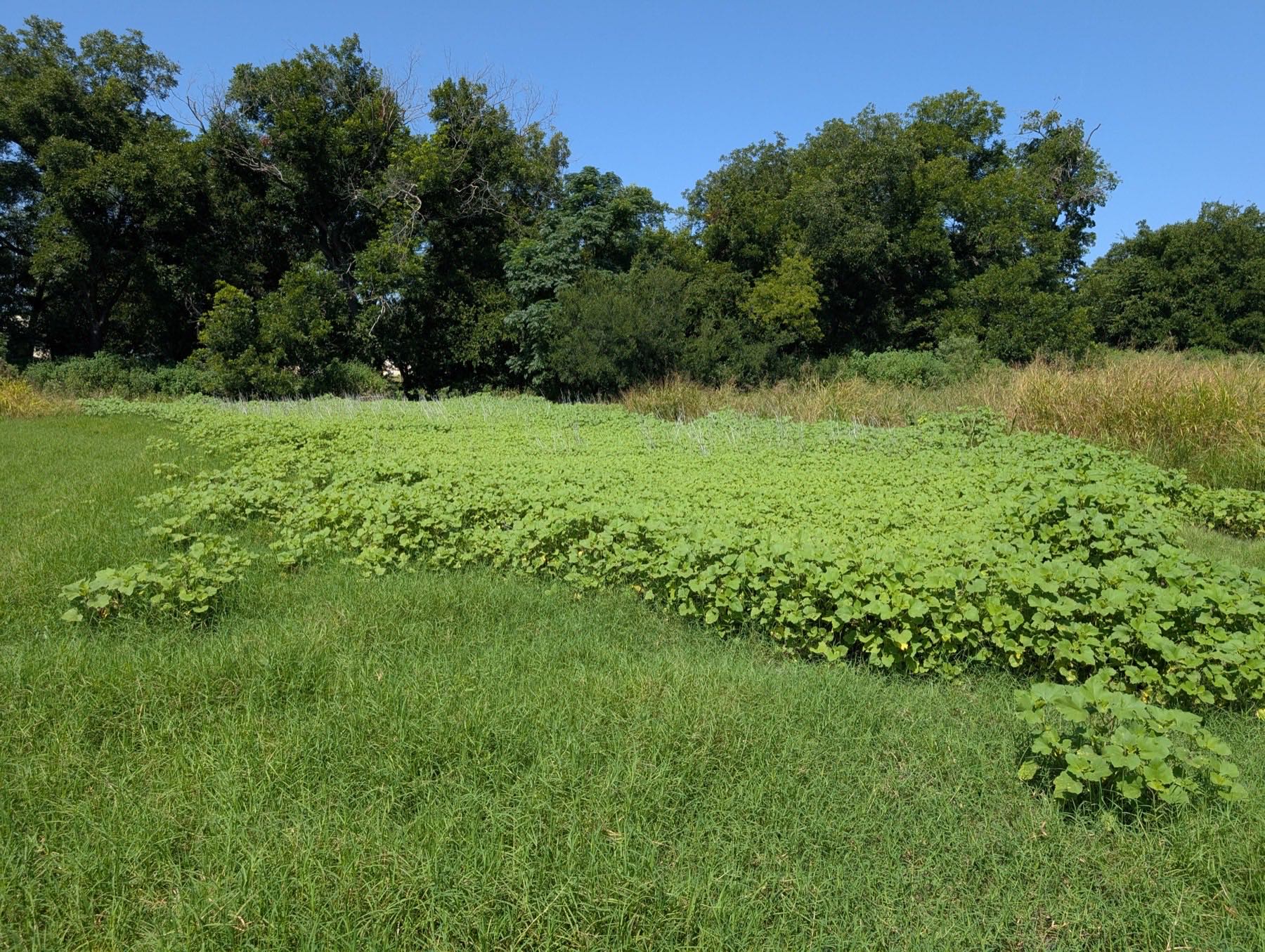 Fig · The patch in the low corner of Section 04 · cocklebur growing where the water stood · July 2026
There's a half acre in the southernmost corner of the Floodplain Agricultural Basin where the Tifton just stops. In its place is a solid stand of one plant — waist-high, packed in edge to edge, ending right where the ground rises and the grass comes back. Twenty years of hay never planted it. The water did.
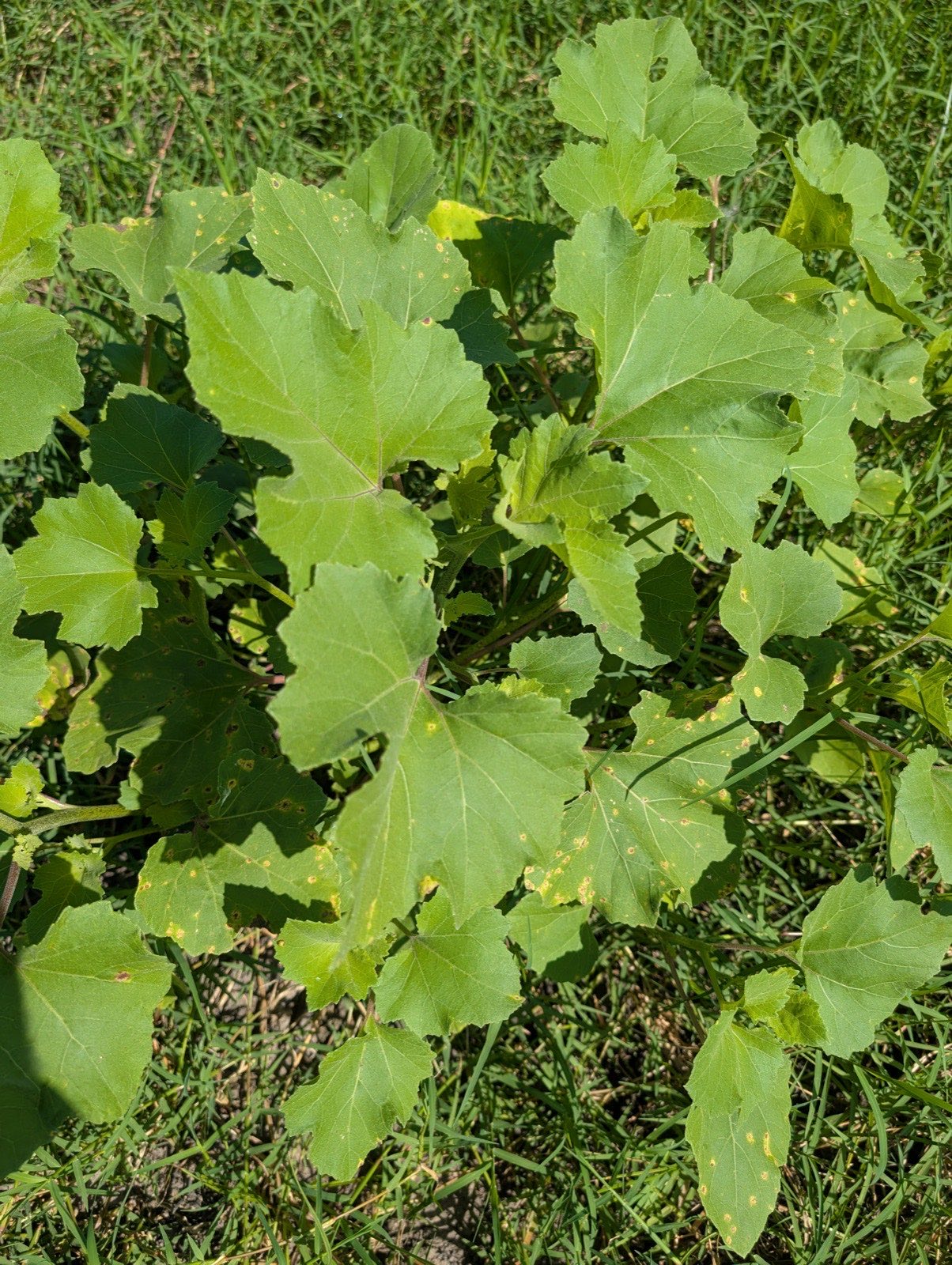
We keyed it out to common cocklebur (*Xanthium strumarium*), an annual that specializes in colonizing bare mud. The identification got confirmed from an unexpected direction: those yellow-ringed spots on the leaves are cocklebur rust, a fungus that infects almost nothing else. If the rust thinks it's cocklebur, it's cocklebur.
A stand that dense tells us the low spot ponded after the spring rains and held water long enough to kill the bermudagrass. Cocklebur seed waits in the soil for exactly that kind of opening. When the mud came up bare, it took all of it.
What the patch is telling us
The stewardship plan already marked the low ground in the south of the property for wetland work. What we didn't have was a boundary. Now we do. The cocklebur traces the ponding zone edge to edge — where it grows, water stood this spring; where the bermuda held on, it didn't. We couldn't have mapped that line more precisely with instruments, and we didn't have to.
What goes in the pocket
The plan is to plant the pocket the way the water dictates, zone by zone: the spot that ponds longest, the ring that floods and dries, the shaded edge along the pecans, and the rim. Plugs and dormant woody stock, not the seed drill. Here's the palette.
Reference images — not made on this property
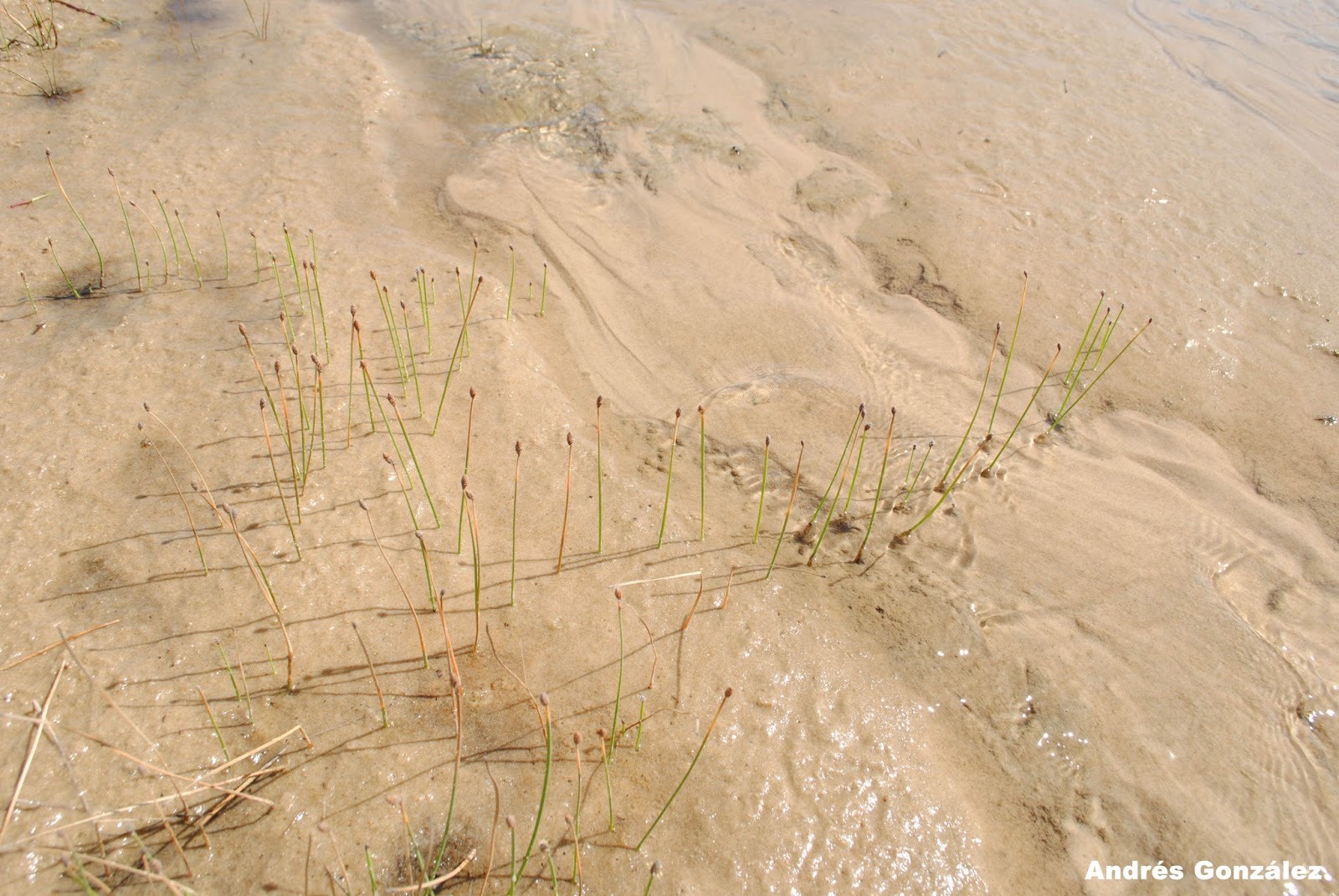
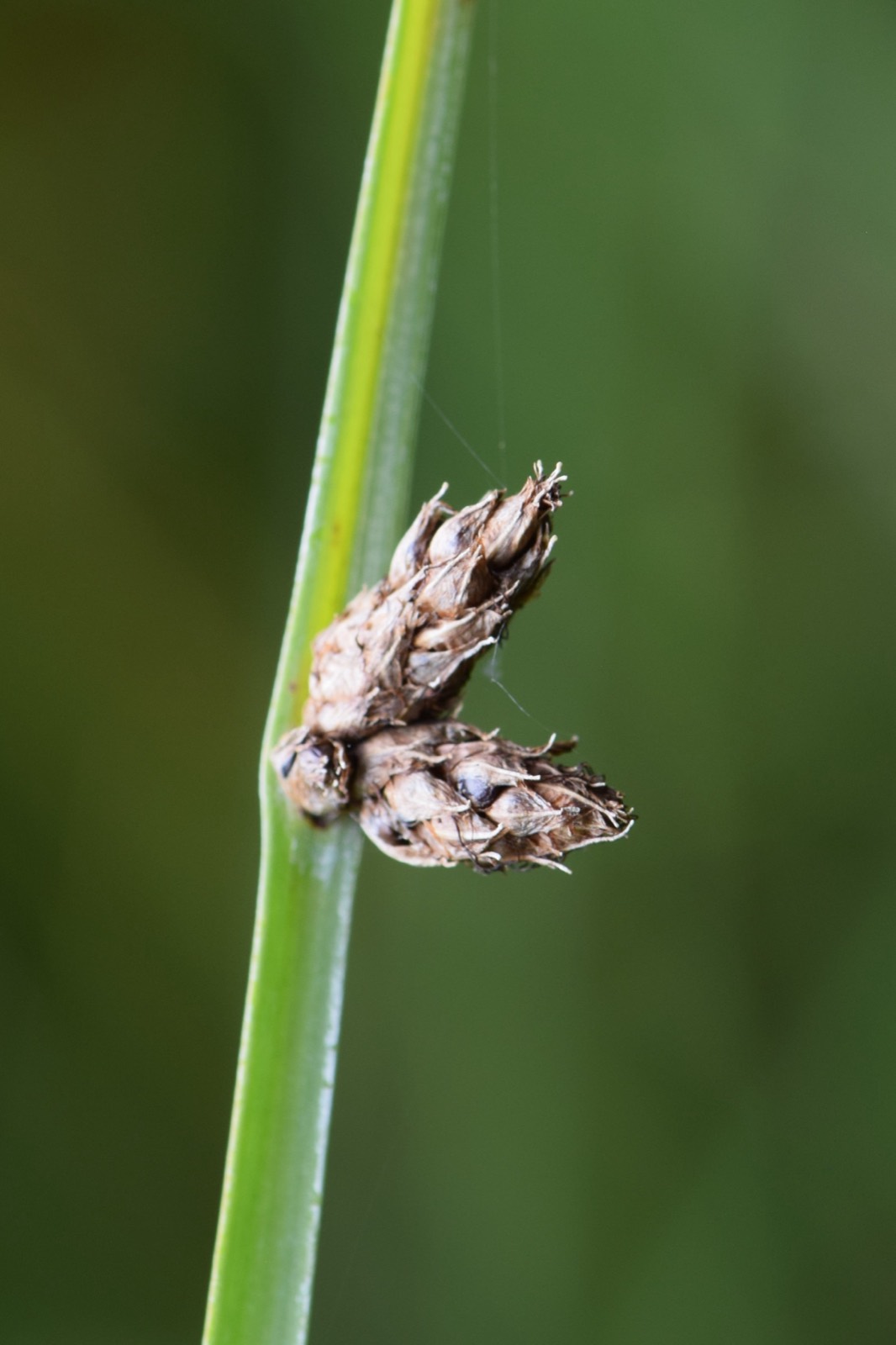
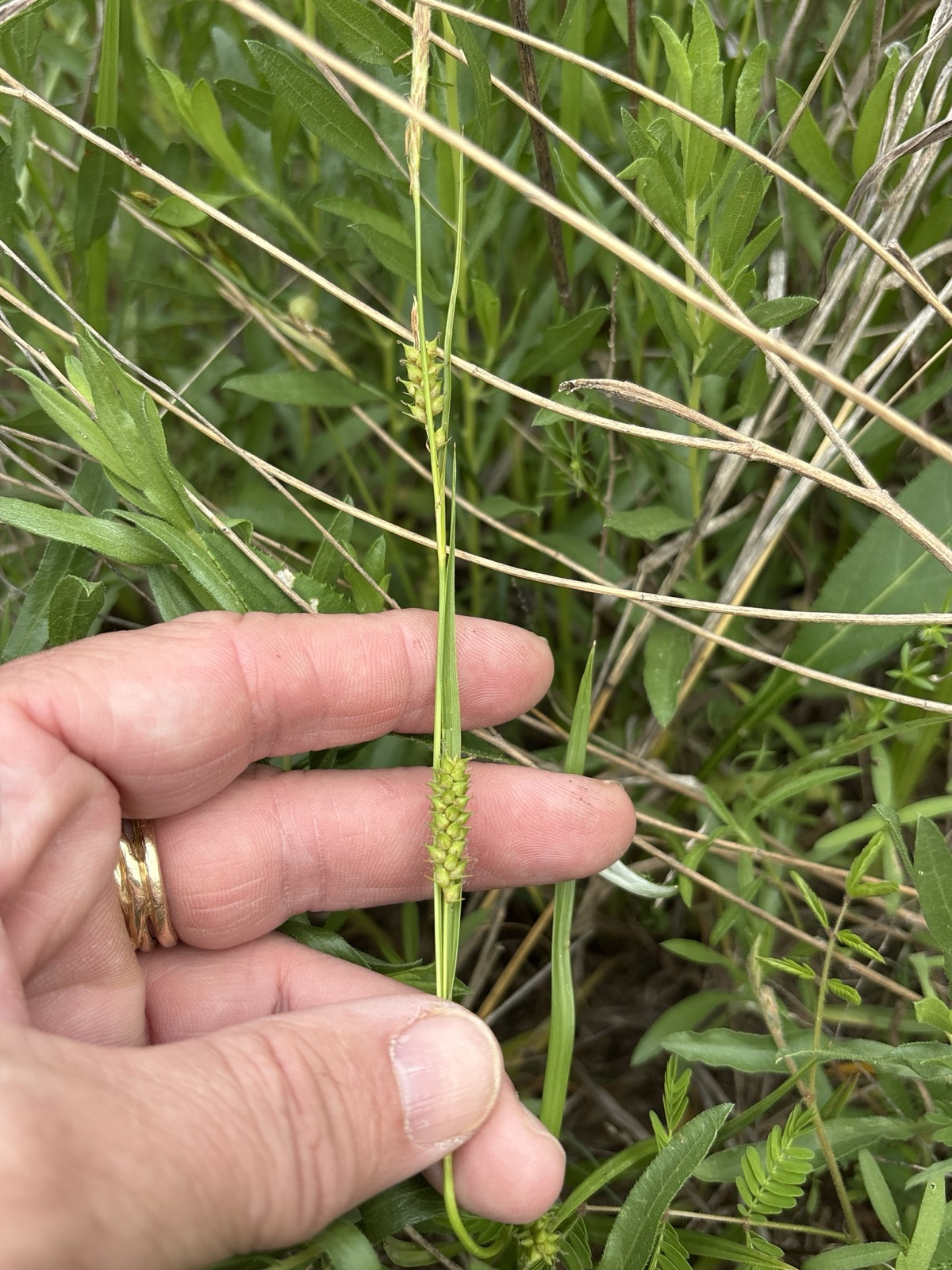
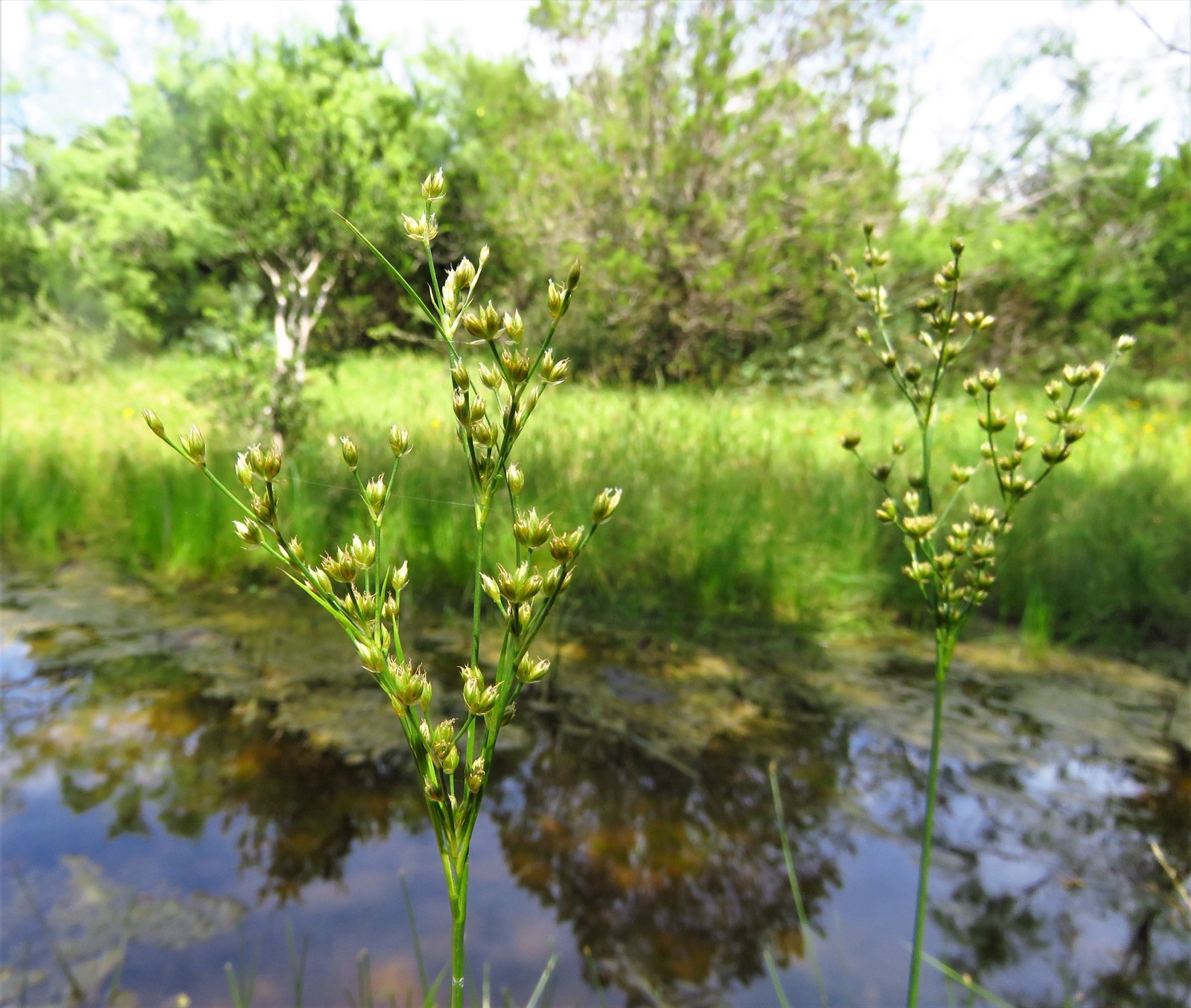
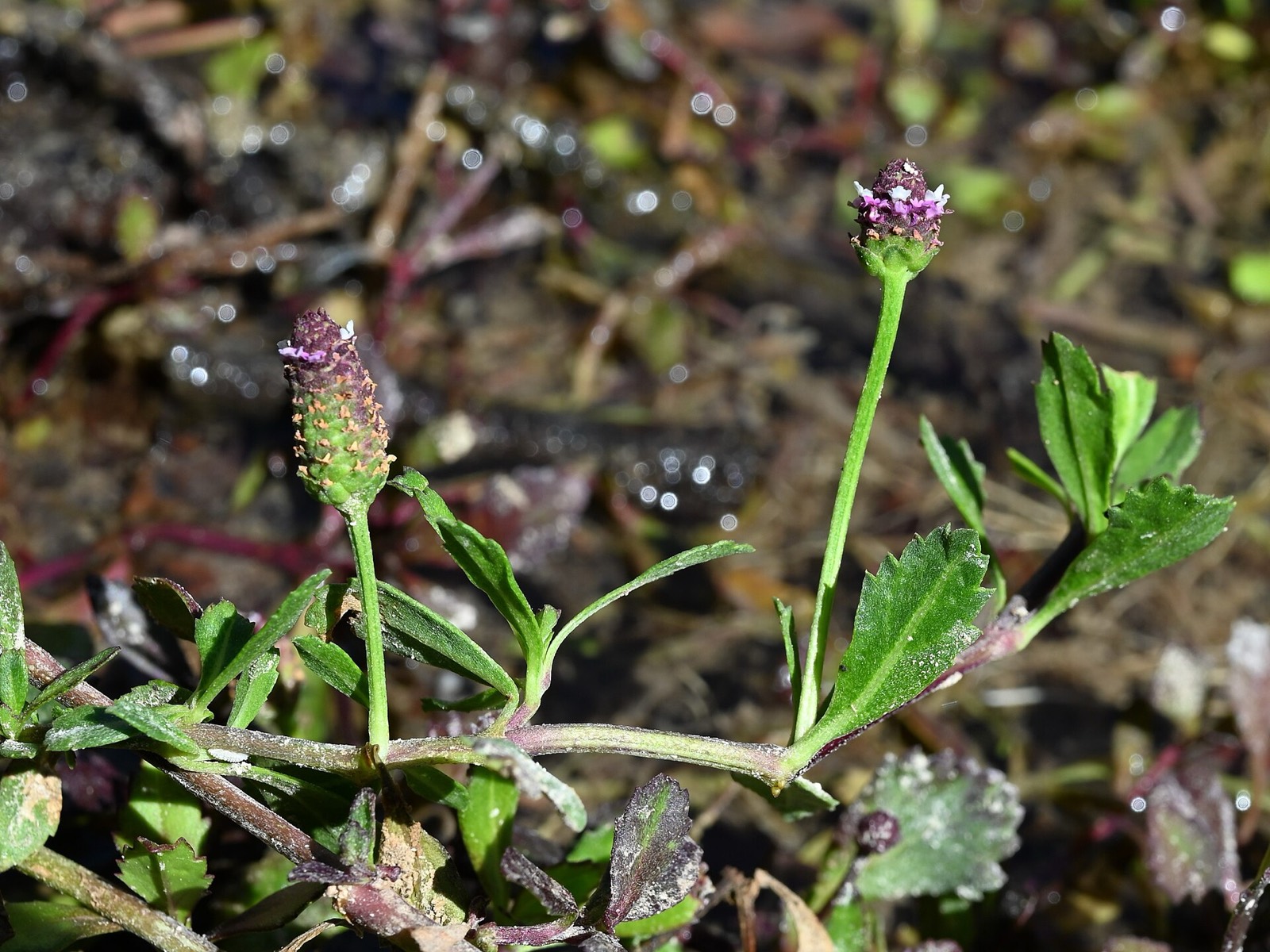
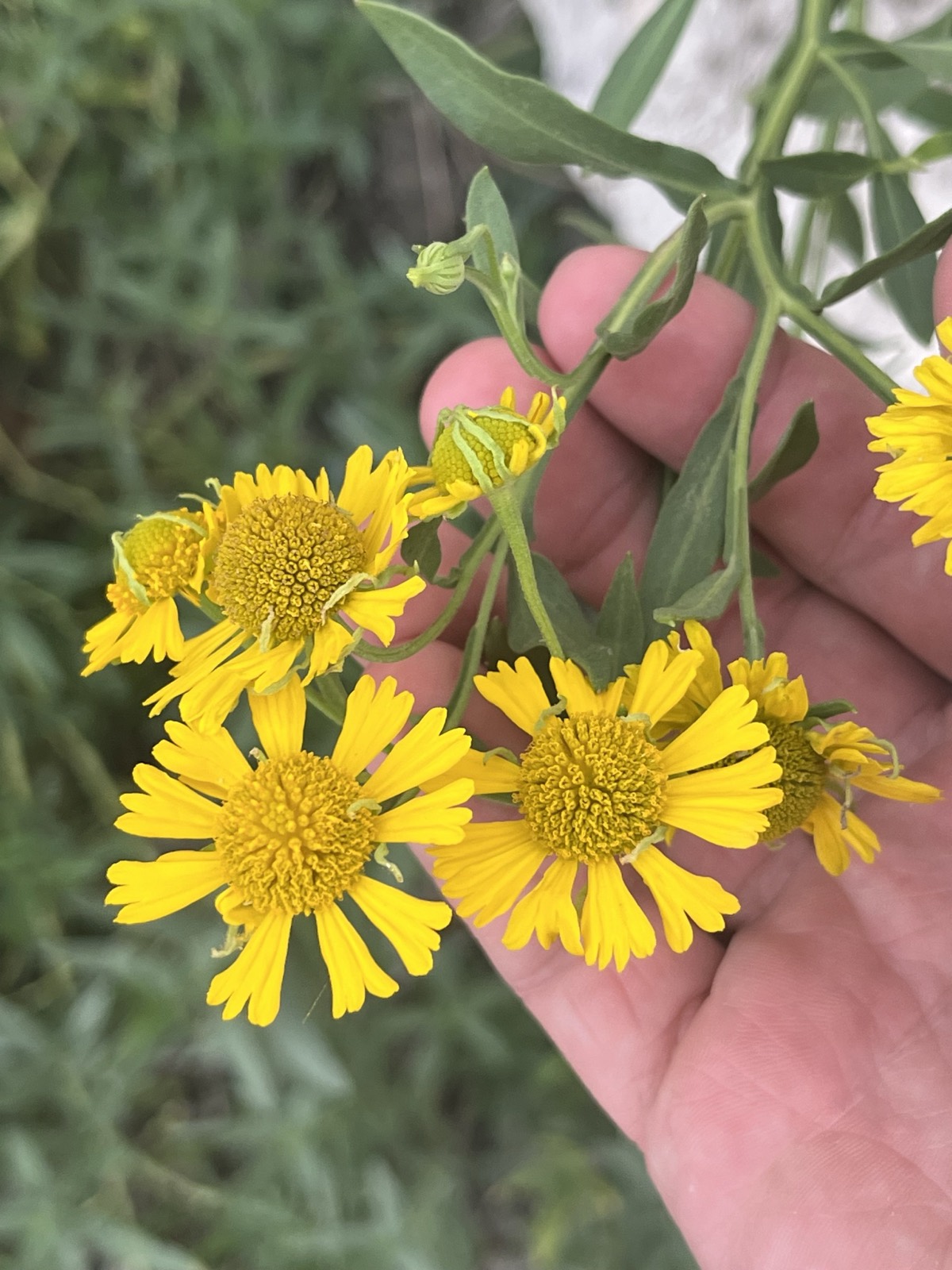
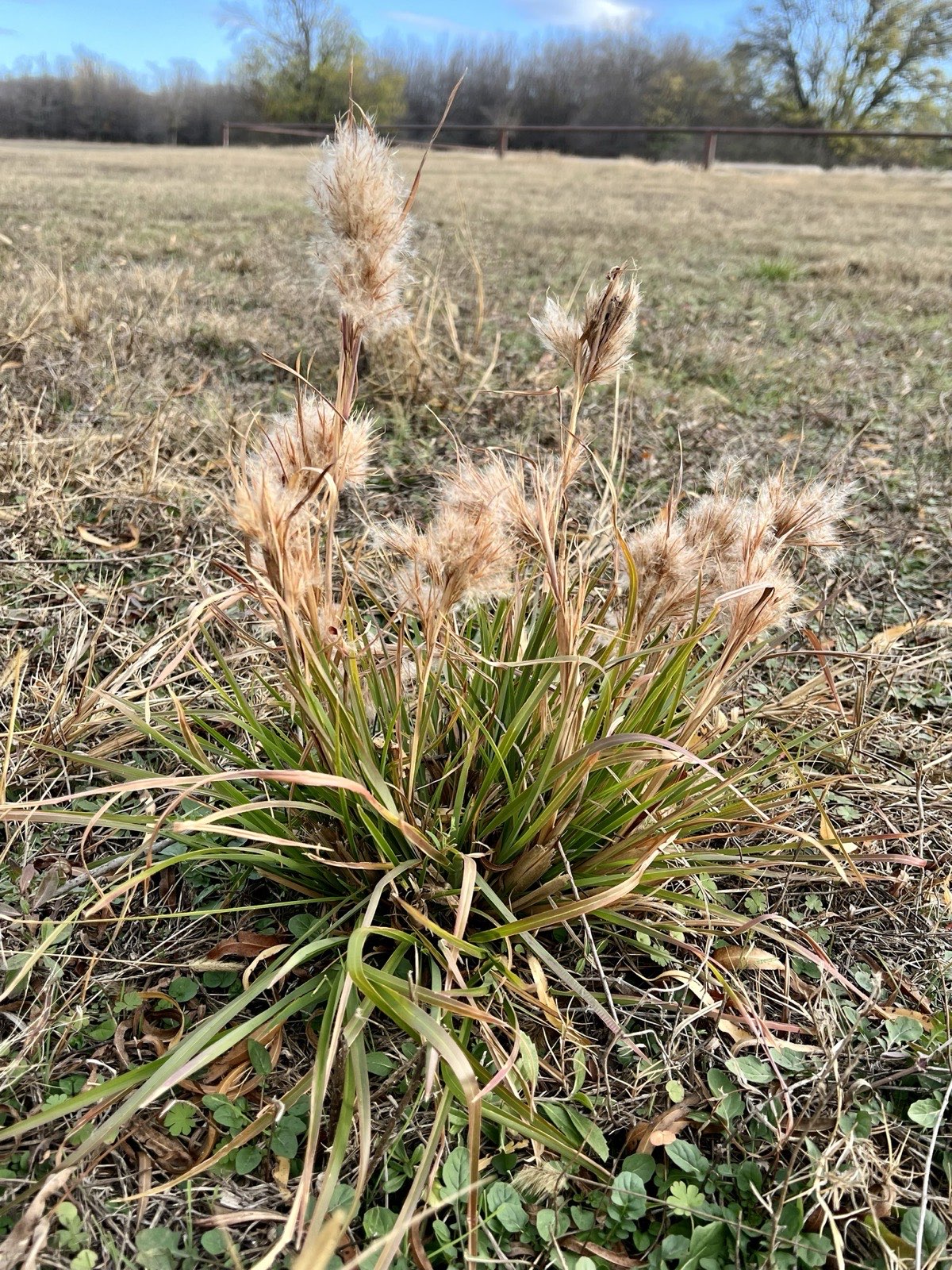
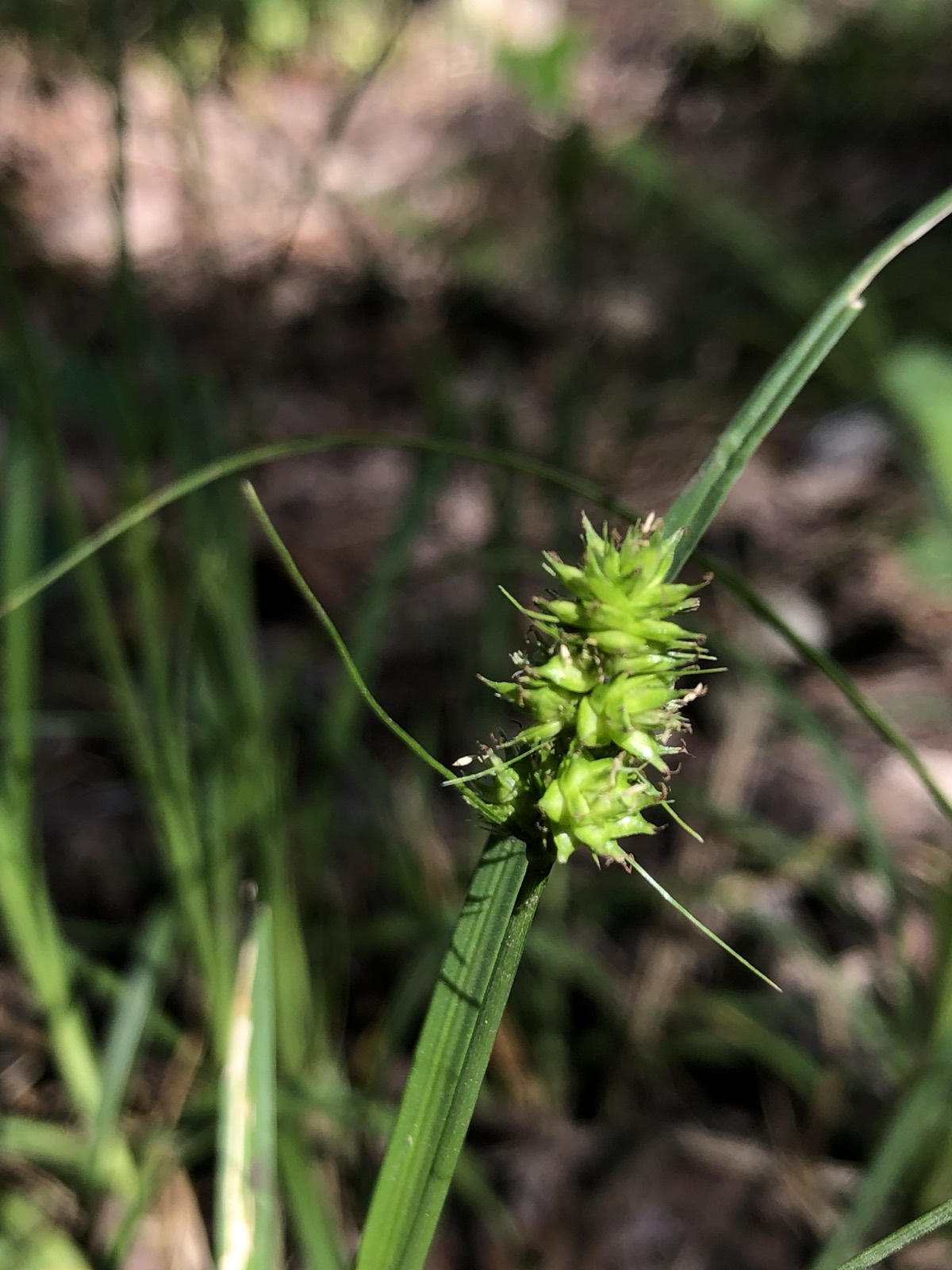
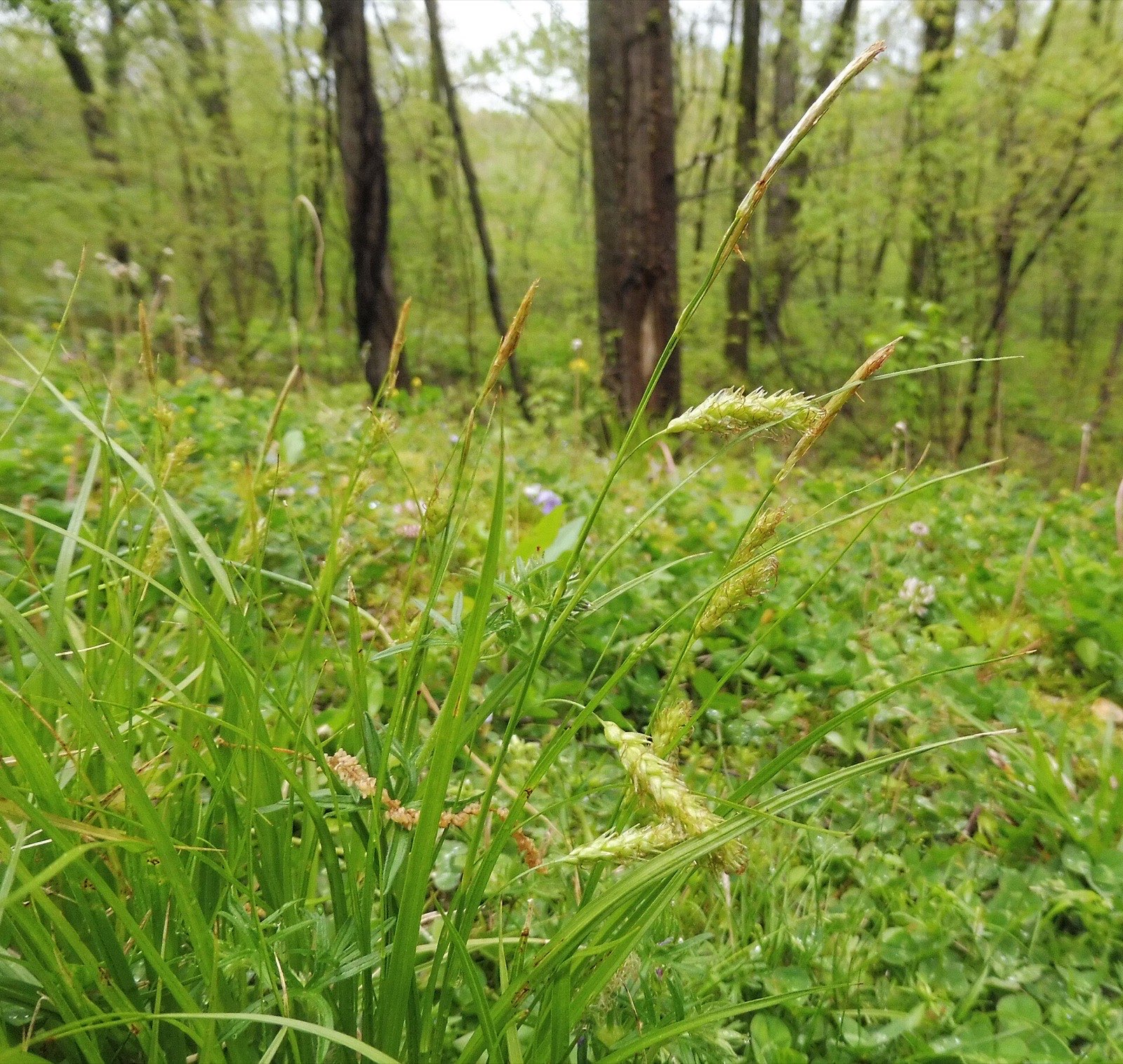
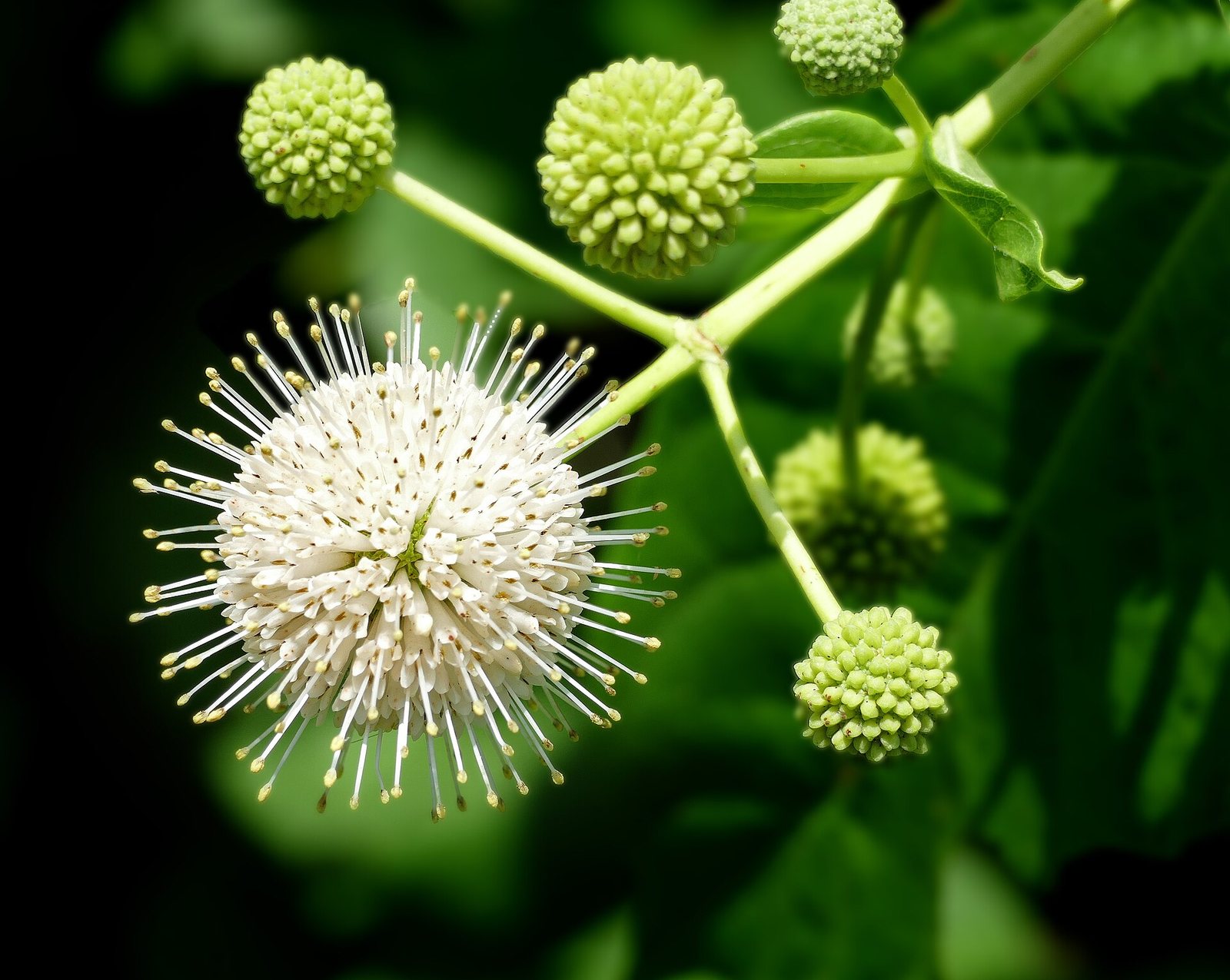
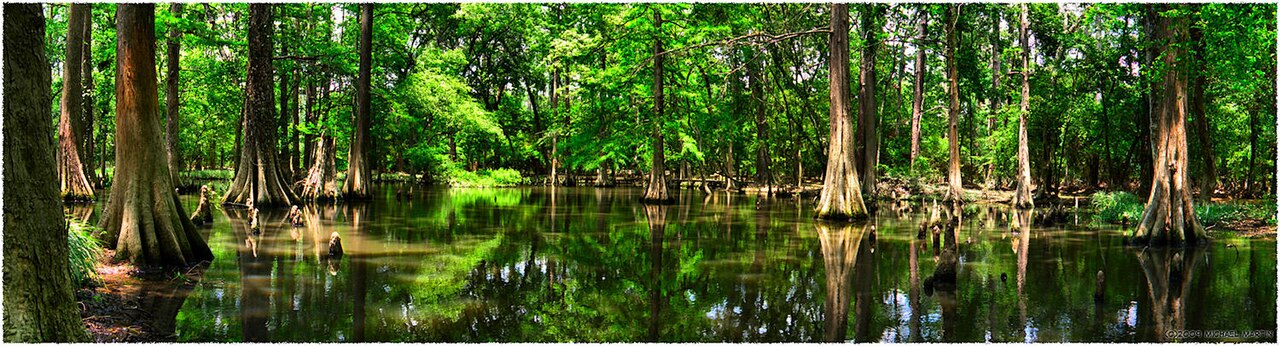
Picking this list took more range-checking than we expected. Our rule for the R&D Library is documented records within about forty miles of this ground, on the same limestone — the standard that already retired muscadine grape from our species list. Most of the palette clears it. Two species we originally wanted didn't, and the plan changed. We dropped Torrey's rush after the Wildflower Center's notes rated it intolerant of high-carbonate soils, which is the only kind we have, and put sand spikerush in its slot — same job, and it grows on limestone a county away.
Cherokee sedge is the exception we kept. NPSOT maps it to the country east of us, and the nearest record we can find is about forty miles away at Fort Cavazos. But it's the wet-meadow sedge nurseries actually sell, and the sedges with local records are hard to buy. So it goes in labeled as a trial, planted next to the local sedges so we can compare what establishes. We may be wrong about it. We'll find out.
Two placement details matter for the woody rim. Bald cypress seedlings drown if their crowns go underwater — mature trees stand in it indefinitely, but young ones establish on the drawdown line, so ours go on the rim rather than down in the bottom. And they stay out from under the pecans, because cypress wants full sun. Long term, that grove is the interesting part. Grown out along its wet flank, the pocket and the pecans could add up to about an acre and a half of pecan-and-cypress seasonal wetland. That's a couple of phases away. It's on the map now.
The calendar
- August, before the burs harden — mow the patch. Every bur that matures now is weeding we'll be doing for years in ground we're about to plant.
- Mid-September — the second glyphosate pass under the PUB program takes the regrowth. Cocklebur is highly susceptible.
- October–November — sedge, rush and spikerush plugs go in on the drawdown, with frogfruit sprigged between them. Not into standing water — plugs set in saturated soil rot before they root.
- December–February — dormant buttonbush and bald cypress on the rim, buttonbush cuttings to the propagation bench, and bushy bluestem seed in with the winter dormant sowing.
- March — the seed bank flushes and the cocklebur comes back. A high clip at eight to twelve inches knocks it down without touching the natives coming up under it.
There's a real unknown under all of this: we don't actually know how long the pond holds. This is the first year we've watched it, which is why the bulrush decision waits and why some of this plan will probably turn out wrong. When it does, we'll write down which parts.