Species Plate · Riparian Trees
Bald Cypress
Restoration Role
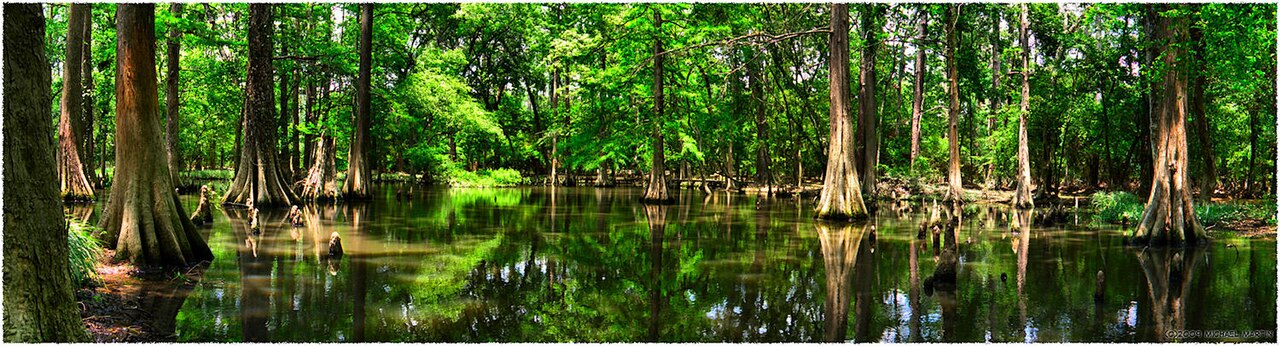
Riparian anchor tree. Bald Cypress stabilizes wet corridors, creates long-lived habitat, and visually marks the water-bearing portions of the property.
Site Suitability
PrimaryRiver Conservation Strip, lower Drainage Corridor
SecondaryTank edges, wet pockets
AvoidUpland savanna, shelterbelt, shallow limestone
SoilsBeB, Oa
HydrologySeasonal flooding, wet feet, deep soil, drainage concentration
Propagation & Care
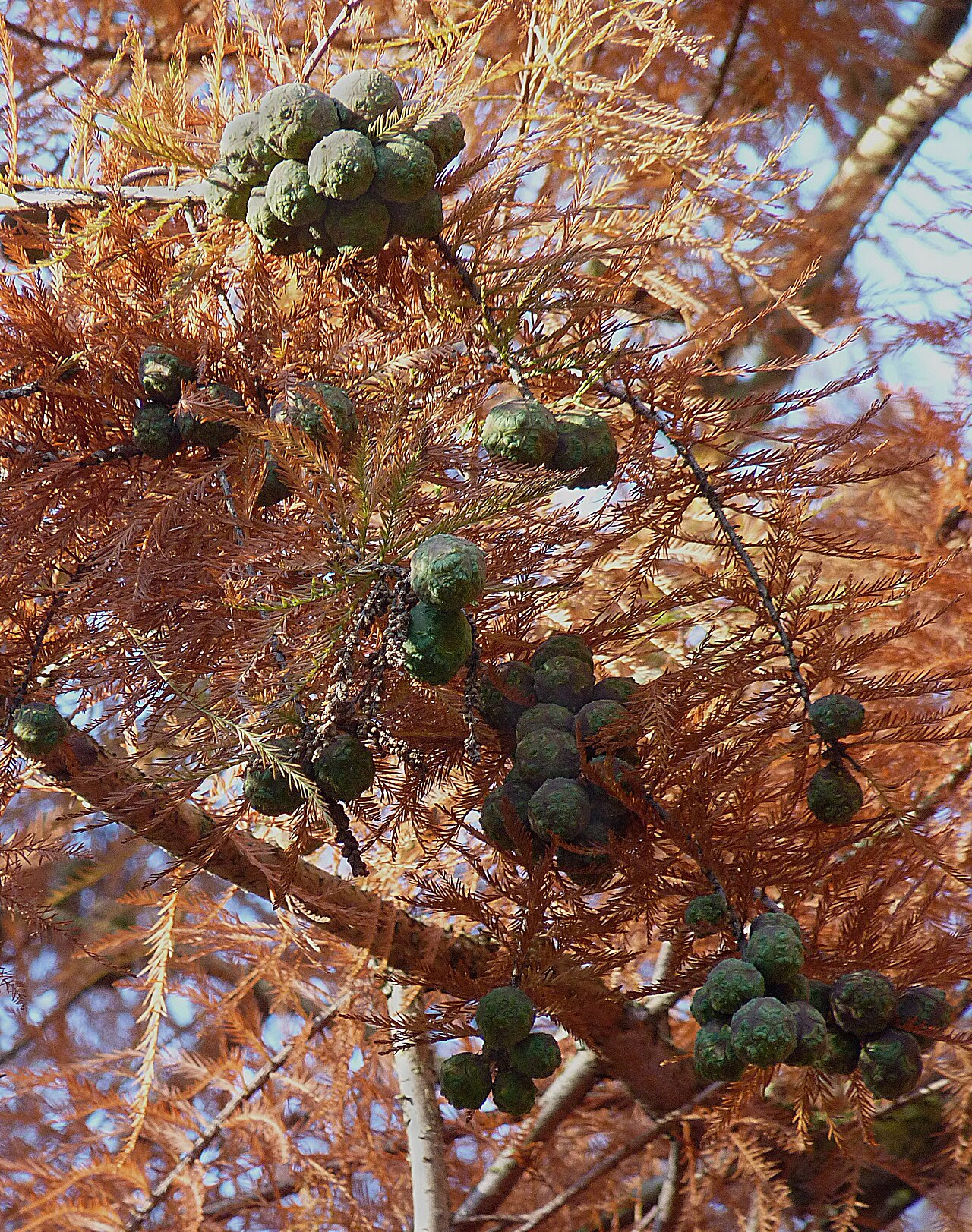
Seed collectionCollect cones in fall to early winter when brown and mature.
StratificationRecommended: 60–90 days cold stratification in moist coir.
PropagationSow seeds shallowly, about 1/4 inch deep. Keep evenly moist. Hardwood cuttings will also strike, though seed is the main line.
Container progressionSeed → Bootstrap Cell → D40/D60 → Field planting.
Nursery wateringKeep consistently moist. Tolerates wetter nursery conditions than most species.
LightBright light to full sun.
OutplantingBest age 6–18 months. Plant November–February.
Establishment Watering
- Year 1: 10–15 gallons every 7–10 days during dry periods.
- Year 2: 10–15 gallons every 2–3 weeks if dry.
- Year 3: 15–20 gallons monthly during severe drought only.
Field notesProvenance: in-range. Bald cypress is native to Central Texas along freshwater rivers — NPSOT lists it for the Edwards Plateau and Balcones Canyonlands ecoregions (Griffith et al., Ecoregions of Texas), the Lady Bird Johnson Wildflower Center gives its range west to Central Texas, and TPWD notes the range petering out on the Edwards Plateau. Cones are collected locally on the Lampasas drainage. Lampasas County-level occurrence is pending BONAP/Turner confirmation (M-13). Plant in groves of 5–15 where possible. A cluster creates stronger habitat and insurance against losses.
Quick Reference
Difficulty1 / 5
Growth rateModerate to fast with water
DroughtModerate once established
FloodExcellent
WildlifeExcellent
Browse PressureModerate; protect young trees
MethodSeed / hardwood cutting
ContainerBootstrap Cell → D40/D60
SourcesPropagation data from the Short’s Resort Native Tree & Shrub Propagation Manual (SR-PROP-01). Photographs via Wikimedia Commons under the licenses noted on each image; credit to the individual photographers above.