Species Plate · Wildlife / Succession Trees
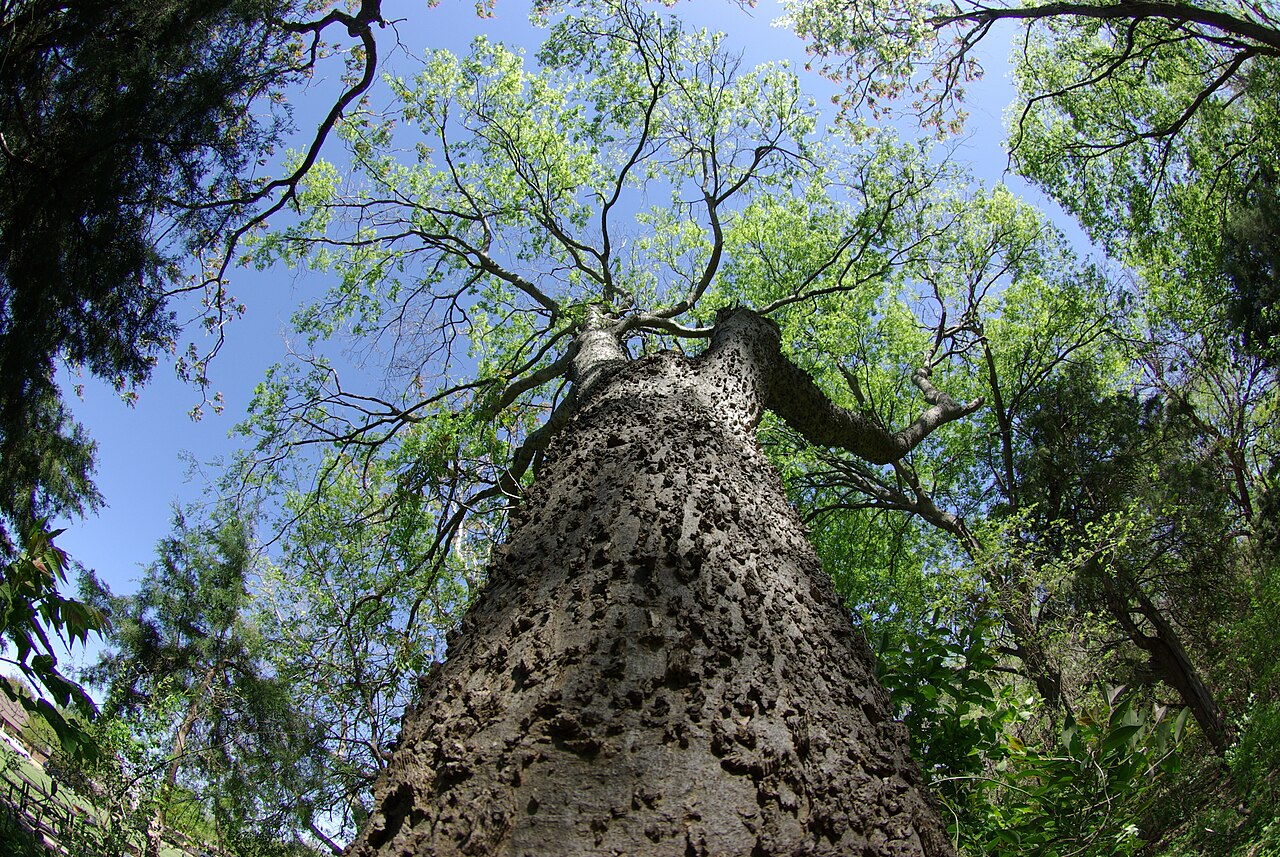
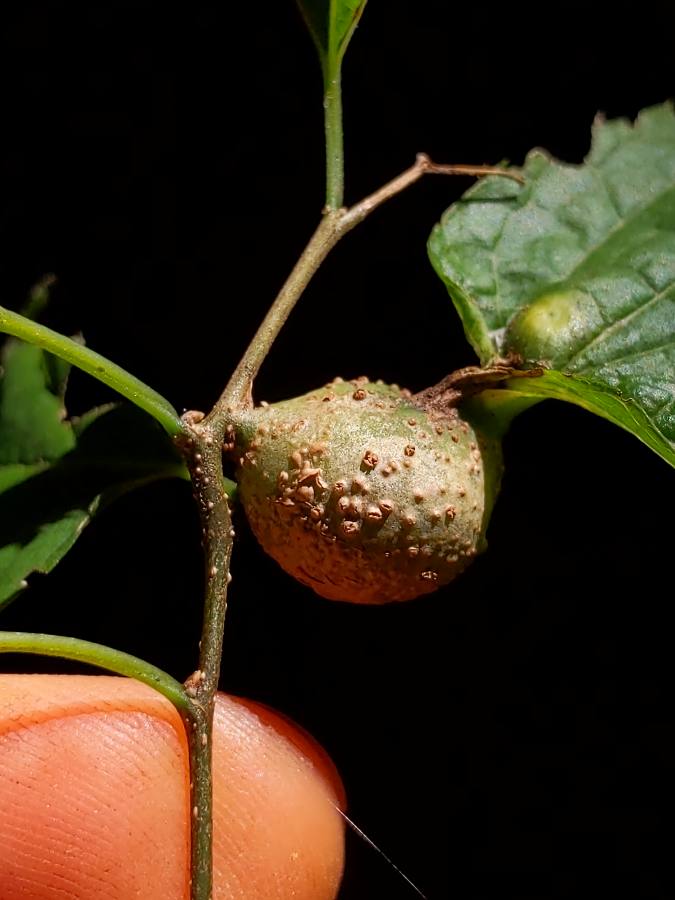
Sugarberry
Restoration Role
Wildlife support tree. Sugarberry is one of the highest-ROI trees for birds, insects, and rapid habitat structure — the bottomland hackberry of the river and drainage soils.
Site Suitability
PrimaryRiver Conservation Strip, Drainage Corridor, moist alluvial bottomland
SecondaryFilter band and shelterbelt on the deeper soils
AvoidDry, shallow upland limestone — that is netleaf country
SoilsBeB, Oa; moist alluvial bottomland
HydrologyMoist bottomland; the river and drainage member of the pair
Propagation & Care
Seed collectionCollect ripe dark berries late summer through winter when mature.
StratificationRecommended: 60–90 days cold stratification after cleaning pulp.
PropagationClean fruit pulp thoroughly. Sow 1/4–1/2 inch deep.
Container progressionSeed → Bootstrap Cell → D40 Deepot → Field planting.
Nursery wateringModerate. Do not keep saturated.
LightFull sun after establishment.
OutplantingBest age 6–12 months. Plant November–February.
Establishment Watering
- Year 1: 5–10 gallons every 2 weeks during drought.
- Year 2: drought only.
Field notesPeople often dislike hackberry in yards. Wildlife does not — this is a bird tree. Split from Netleaf Hackberry: USDA PLANTS treats this as Celtis laevigata var. laevigata (CELAL), the moist-bottomland variety, while Netleaf (var. reticulata) holds the dry upland limestone.
Quick Reference
Difficulty1 / 5
Growth rateFast
DroughtVery good
FloodGood
WildlifeExcellent
Browse PressureModerate
MethodSeed
ContainerBootstrap Cell → D40
SourcesPropagation data from the Short’s Resort Native Tree & Shrub Propagation Manual (SR-PROP-01). Photographs via Wikimedia Commons under the licenses noted on each image; credit to the individual photographers above.