Species Plate · Wildlife / Succession Trees
Black Cherry
Restoration Role
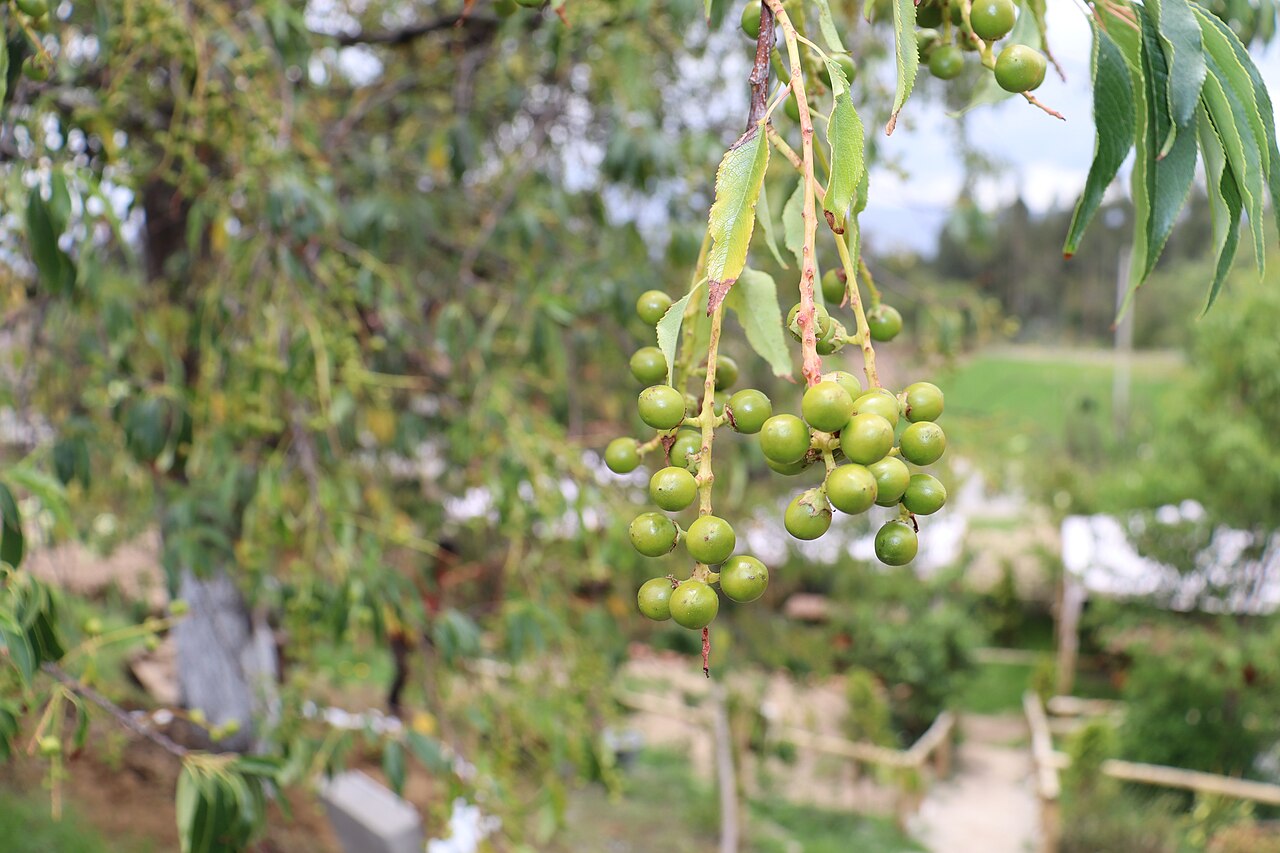
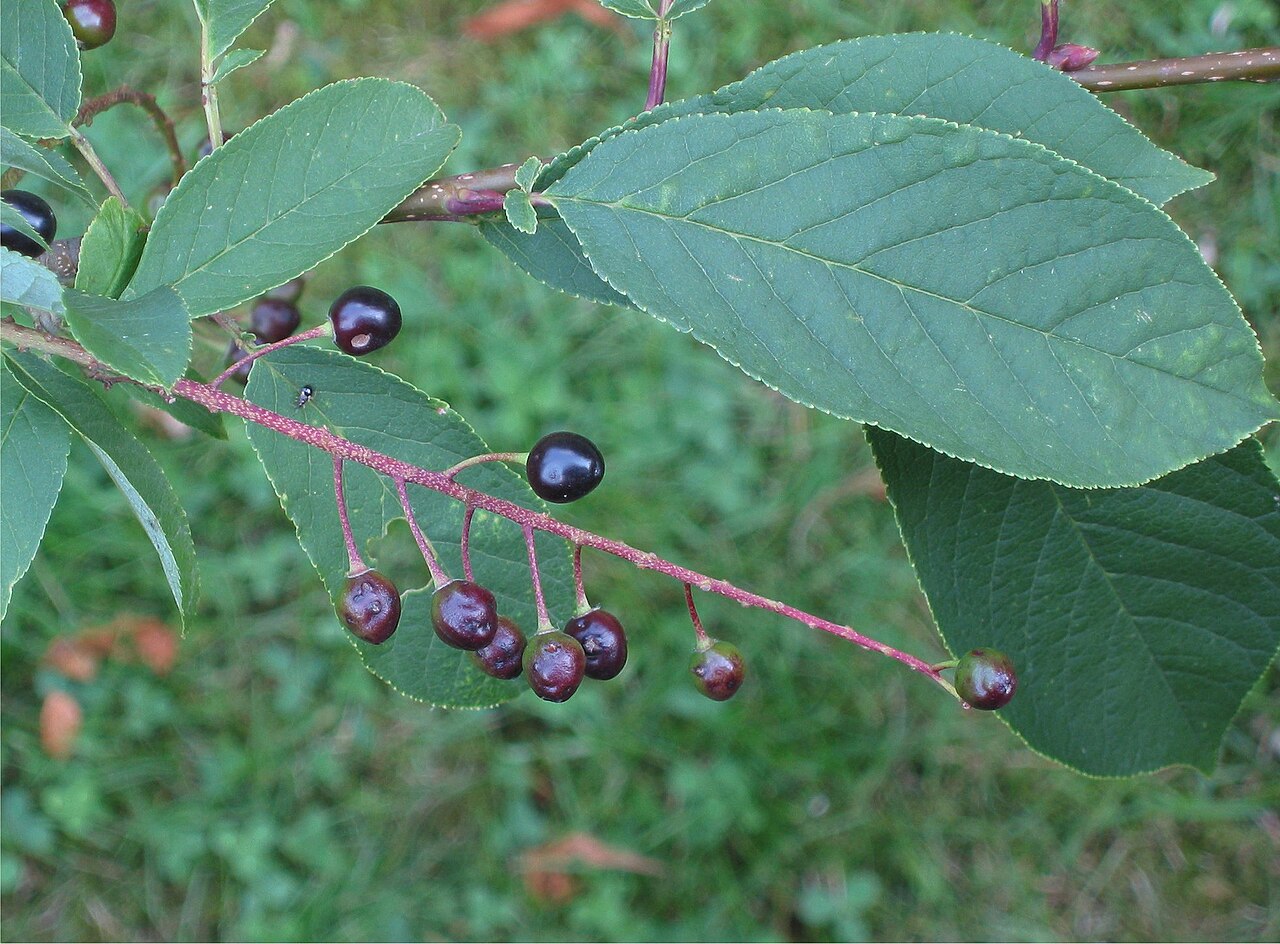
Wildlife / succession tree. Black Cherry provides fruit for birds, flowers for pollinators, and faster vertical structure than slow oaks.
Site Suitability
PrimaryRiver, Drainage Edge, deeper SuB/RuB soils
SecondaryUpland pockets with better soil
AvoidExposed dry limestone ridges
SoilsBeB, RuB, SuB
HydrologyModerate moisture, good drainage
Propagation & Care
Seed collectionCollect ripe dark fruits in summer.
StratificationClean pulp. Warm stratification 30–60 days followed by cold stratification 90–120 days.
PropagationSow 1/4–1/2 inch deep after stratification. The manual designates black cherry a hybrid seed-and-cutting species; cuttings are the clonal route for proven individuals.
Container progressionSeed → Bootstrap Cell → D40 → Field planting.
Nursery wateringModerate, steady moisture.
LightBright light. Full sun to part sun after hardening.
OutplantingBest age 6–18 months. Plant November–February.
Establishment Watering
- Year 1: 10 gallons every 10–14 days during drought.
- Year 2: every 3–4 weeks if dry.
Field notesDo not overplant near livestock areas without understanding browse/toxicity concerns. Best as wildlife corridor and woodland-edge tree.
Quick Reference
Difficulty2 / 5
Growth rateFast to moderate
DroughtModerate
FloodFair
WildlifeExcellent
Browse PressureLow to moderate; protect
MethodSeed / cuttings
ContainerBootstrap Cell → D40
SourcesPropagation data from the Short’s Resort Native Tree & Shrub Propagation Manual (SR-PROP-01). Photographs via Wikimedia Commons under the licenses noted on each image; credit to the individual photographers above.