Species Plate · Wildlife / Succession Trees
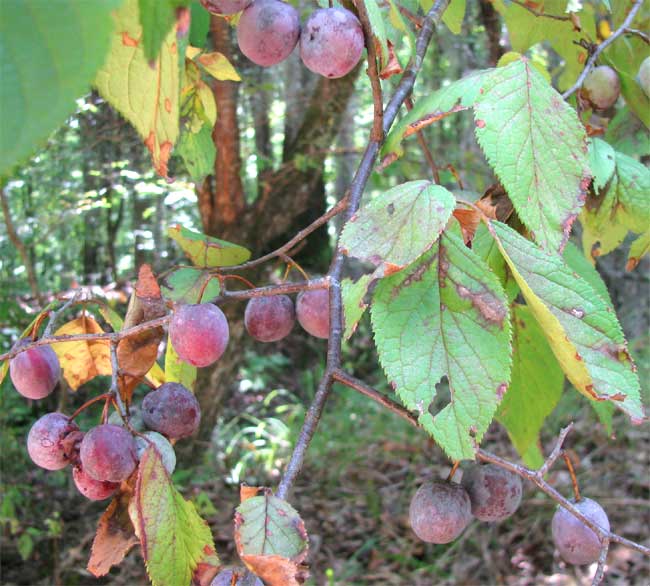
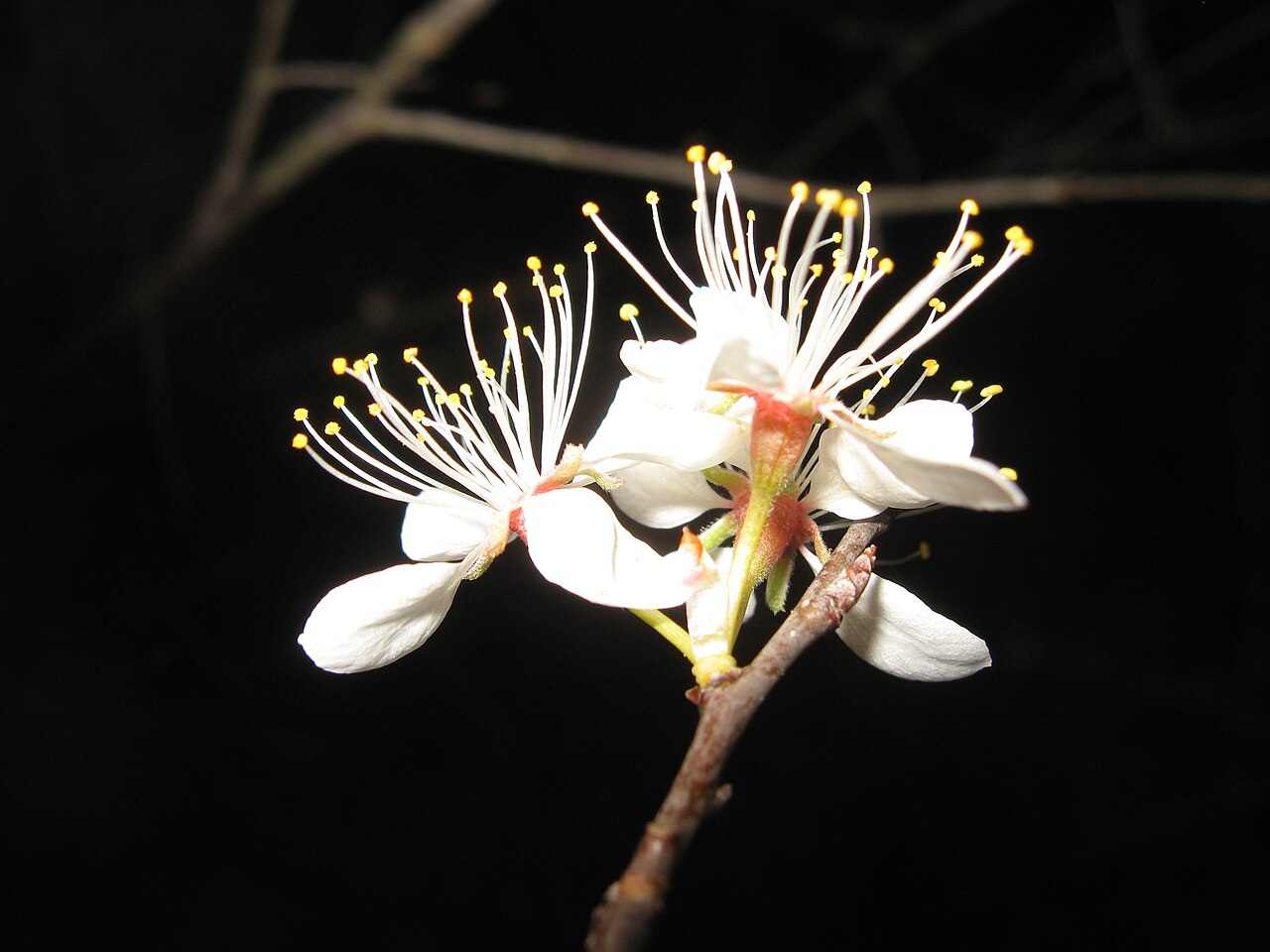
Mexican Plum
Restoration Role
Understory wildlife and pollinator tree. Mexican Plum provides early bloom, fruit, edge structure, and seasonal beauty.
Site Suitability
PrimaryRiver, Drainage Edge, Shelterbelt pockets
SecondaryUpland savanna edges
AvoidWet core, exposed dry ridge tops
SoilsBeB, RuB, SuB
HydrologyModerate moisture, well-drained
Propagation & Care
Seed collectionCollect ripe plums in summer when fruit softens.
StratificationClean pits. Cold stratification 90–120 days.
PropagationPlant pit 1/2–1 inch deep after stratification. Cuttings are the clonal route — the manual lists Mexican plum among its hybrid seed-and-cutting species.
Container progressionSeed → Bootstrap Cell → 5-inch pot → 1-gal fabric if needed → Field planting.
Nursery wateringModerate moisture. — Fabric stage (if the plant moves up from the 5-inch pot): fabric dries much faster than plastic and needs substantially more frequent watering outdoors in a Central Texas summer; the exact frequency is not yet set at the bench (open).
LightBright light to full sun.
OutplantingBest age 6–18 months. Plant November–February. Stock held in a 1-gal fabric pot may be outplanted later — air-pruned roots don’t circle, so the window extends; the actual figure will come from the first cohort.
Establishment Watering
- Year 1: 5–10 gallons every 10–14 days during drought.
- Year 2: drought only.
Field notesA great edge species. Use where birds, pollinators, and visual interest matter.
Quick Reference
Difficulty2 / 5
Growth rateModerate
DroughtGood
FloodFair
WildlifeExcellent
Browse PressureLow to moderate; protect
MethodSeed or cuttings
ContainerBootstrap Cell → 5-inch pot → 1-gal fabric if needed
SourcesPropagation data from the Short’s Resort Native Tree & Shrub Propagation Manual (SR-PROP-01). Photographs via Wikimedia Commons under the licenses noted on each image; credit to the individual photographers above.