Species Plate · Wildlife / Succession Trees
Netleaf Hackberry
Restoration Role
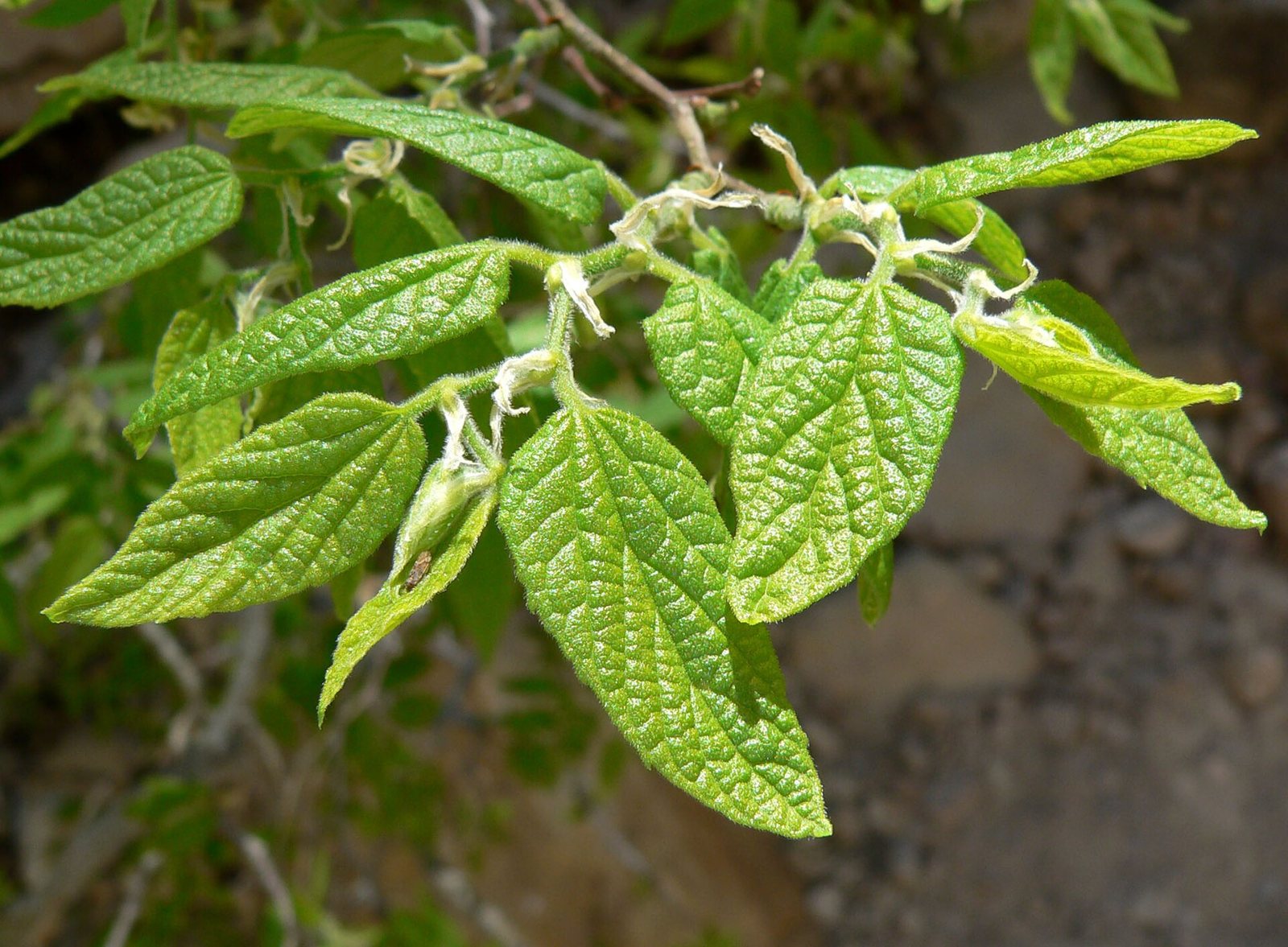
Upland wildlife tree. Netleaf hackberry is the dry-country member of the pair — tough on shallow limestone where sugarberry will not hold — carrying the same high wildlife value: berries for birds, foliage for insects, quick habitat structure. Named for the prominent net-like venation on the leaf.
Site Suitability
PrimaryUpland limestone, Eastern Shelterbelt high ground, Western Headwaters Savanna
SecondaryDry drainage edges and working-land margins
AvoidPermanently wet bottomland — that is sugarberry country
SoilsSeC, SuB; dry, rocky limestone
HydrologyDry, well-drained; the upland member of the pair
Propagation & Care
Seed collectionCollect ripe dark berries fall through winter when mature.
StratificationRecommended: 60–90 days cold stratification after cleaning pulp.
PropagationClean fruit pulp thoroughly. Sow 1/4–1/2 inch deep. Same easy propagation as sugarberry.
Container progressionSeed → Bootstrap Cell → D40 Deepot → Field planting.
Nursery wateringLow to moderate. Very drought-hardy once rooted.
LightFull sun.
OutplantingBest age 6–12 months. Plant November–February.
Establishment Watering
- Year 1: 5 gallons every 2–3 weeks during drought.
- Year 2: drought only.
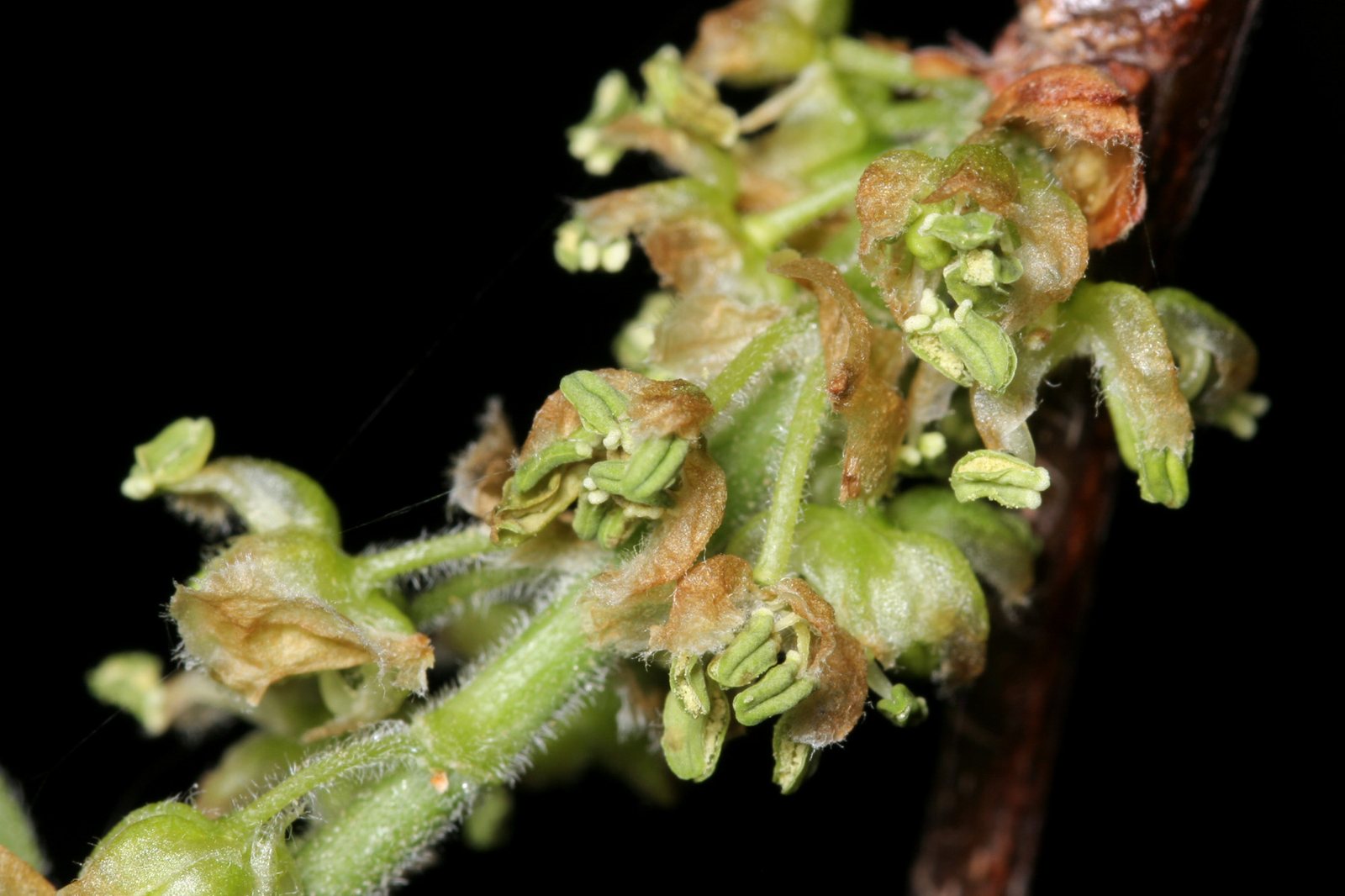
Field notesThe split-out upland variety. USDA PLANTS treats it as Celtis laevigata var. reticulata (CELAR). Where the old combined card claimed “all mapped soils / highly adaptable” — true of neither member — this one keys to dry upland limestone. Photographed in the Trans-Pecos, showing the reticulate leaf venation.
Quick Reference
Difficulty1 / 5
Growth rateModerate to fast
DroughtExcellent
FloodPoor to fair
WildlifeExcellent
Browse PressureModerate
MethodSeed
ContainerBootstrap Cell → D40
SourcesPropagation data from the Short’s Resort Native Tree & Shrub Propagation Manual (SR-PROP-01). Photographs via Wikimedia Commons under the licenses noted on each image; credit to the individual photographers above.