Species Plate · Riparian Trees
Black Willow
Restoration Role
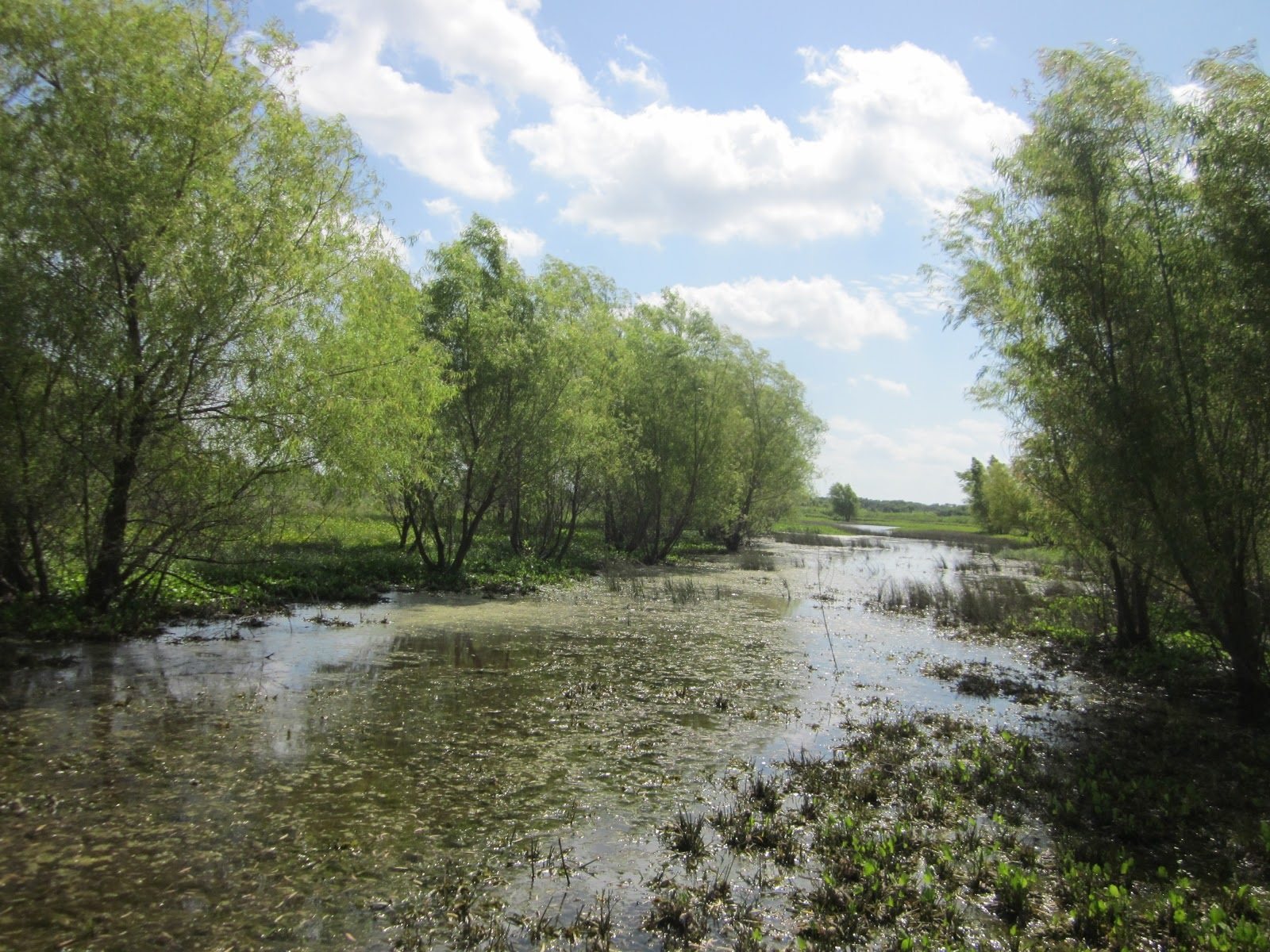
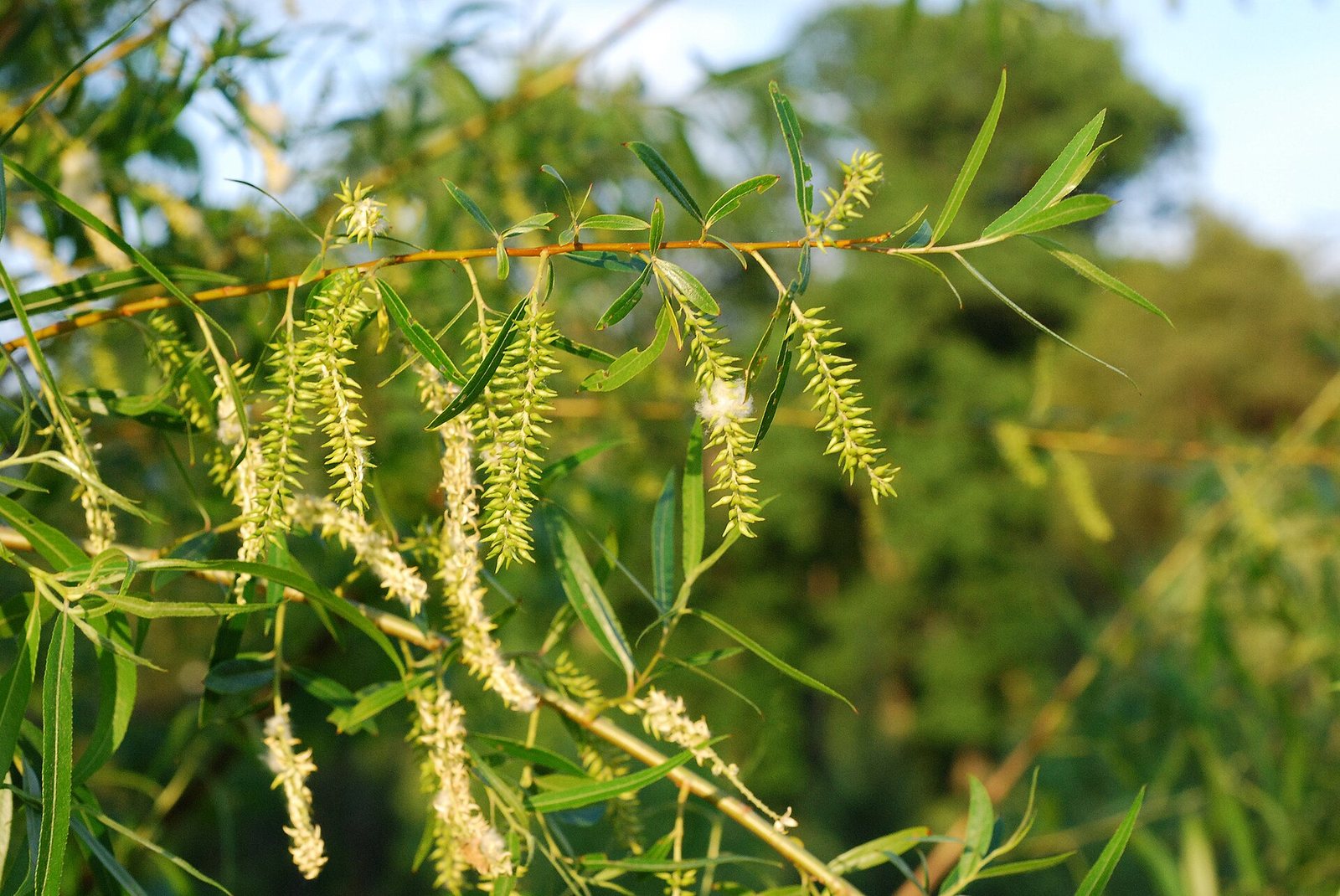
Riparian pioneer and bank stabilizer. Nothing in the register handles repeated inundation better. Black willow is the classic Texas streambank tree — a dense, fibrous root mat that holds cut banks together, fast cover for bare wet ground, and early-season nectar. Short-lived and brittle by nature: a pioneer that buys time, not a legacy tree.
Site Suitability
PrimaryRiver Conservation Strip, active cut banks, lower Drainage Corridor
SecondaryTank and pond edges, wet pockets
AvoidUplands, shelterbelt, shallow caliche; near buildings, septic and waterlines
SoilsBeB, Oa; wet alluvium
HydrologyWet feet to repeated inundation — the most flood-tolerant tree in the register
Propagation & Care
Seed collectionSeed is cottony and viable only days after release — impractical. Use cuttings.
StratificationNone. Dormant hardwood cuttings root readily without hormone.
PropagationFrom cuttings (nearly foolproof): take dormant hardwood cuttings or whips in late winter and stick them directly into moist ground; roots readily without hormone. Live staking: for bank work, drive dormant stakes directly into the wet bank at the toe of the slope — the standard streambank stabilization method and the fastest way to hold an eroding cut.
Container progressionCutting → D40 Deepot, or stick whips and stakes directly along the channel → Field planting.
Nursery wateringKeep saturated — willow can hardly be over-watered and sulks if allowed to dry.
LightFull sun.
OutplantingBest age 6–12 months, or plant dormant whips and stakes directly. Plant November–February.
Establishment Watering
- Year 1: keep the root zone wet — heavy water every 7–10 days in dry spells.
- Year 2: water in drought; less critical once roots reach the water table.
Field notesPlant dormant stakes straight into the wet bank for the fastest erosion control available here. Pairs with buttonbush on saturated ground and cottonwood just above it. Keep well clear of buildings and waterlines — aggressive roots, brittle wood, and it drops limbs.
Quick Reference
Difficulty1 / 5
Growth rateVery fast
DroughtPoor
FloodExcellent
WildlifeGood
Browse PressureModerate
MethodCuttings
ContainerD40 / direct stick
SourcesPropagation data from the Short’s Resort Native Tree & Shrub Propagation Manual (SR-PROP-01). Photographs via Wikimedia Commons under the licenses noted on each image; credit to the individual photographers above.