Species Plate · Foundation Canopy
Cedar Elm
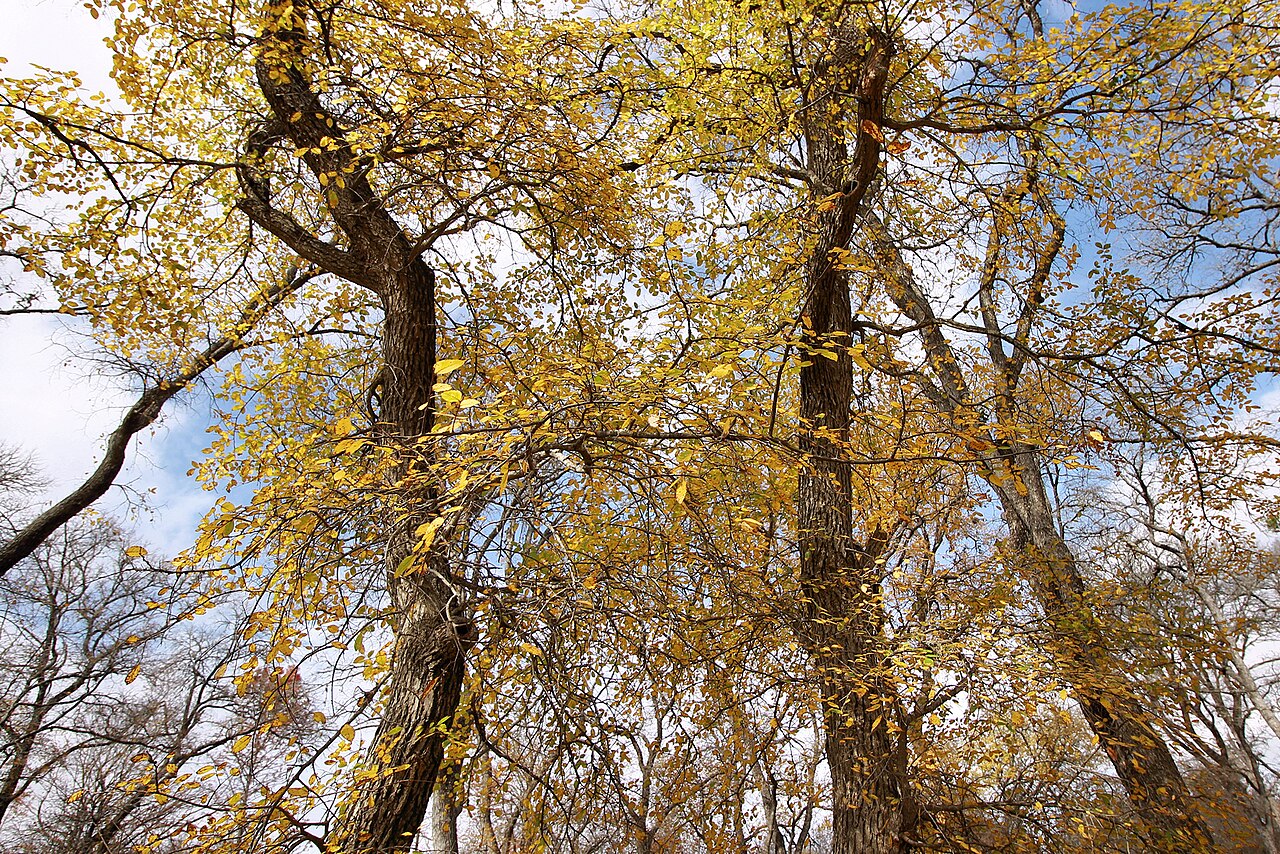
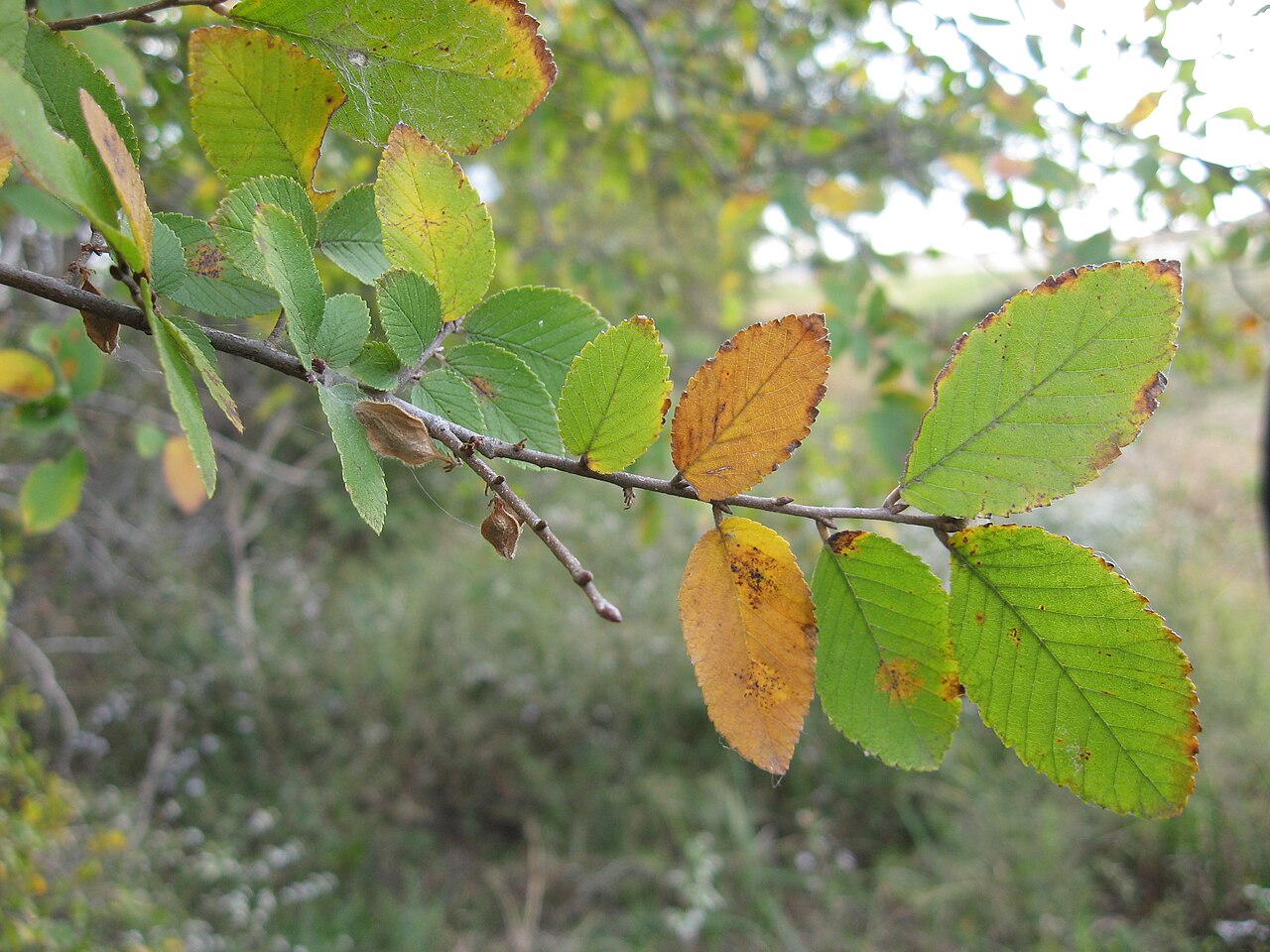
Restoration Role
Foundation habitat tree. Cedar Elm is one of the most versatile native trees in the manual and belongs in nearly every restoration zone.
Site Suitability
PrimaryRiver, Drainage, Shelterbelt, Upland Draws, Filter Band
Secondary—
Avoid—
SoilsAll mapped soils
HydrologyHighly adaptable
Propagation & Care
Seed collectionCollect papery seeds September–October.
StratificationNone required.
PropagationSow shallowly, just covered. Germination often occurs in 1–3 weeks.
Container progressionSeed → Bootstrap Cell → D40 Deepot → Field planting.
Nursery wateringKeep moist during germination. Reduce once established.
LightBright light to full sun.
OutplantingBest age 6–12 months. Plant November–February.
Establishment Watering
- Year 1: 5–10 gallons every 2 weeks during drought.
- Year 2: drought only unless planting in exposed sites.
Field notesIf unsure what tree belongs somewhere, Cedar Elm is often the answer.
Quick Reference
Difficulty1 / 5
Growth rateFast
DroughtExcellent
FloodGood
WildlifeExcellent
Browse PressureModerate
MethodSeed
ContainerBootstrap Cell → D40 Deepot
SourcesPropagation data from the Short’s Resort Native Tree & Shrub Propagation Manual (SR-PROP-01). Photographs via Wikimedia Commons under the licenses noted on each image; credit to the individual photographers above.