Species Plate · Wildlife / Succession Trees
Chickasaw Plum
Restoration Role
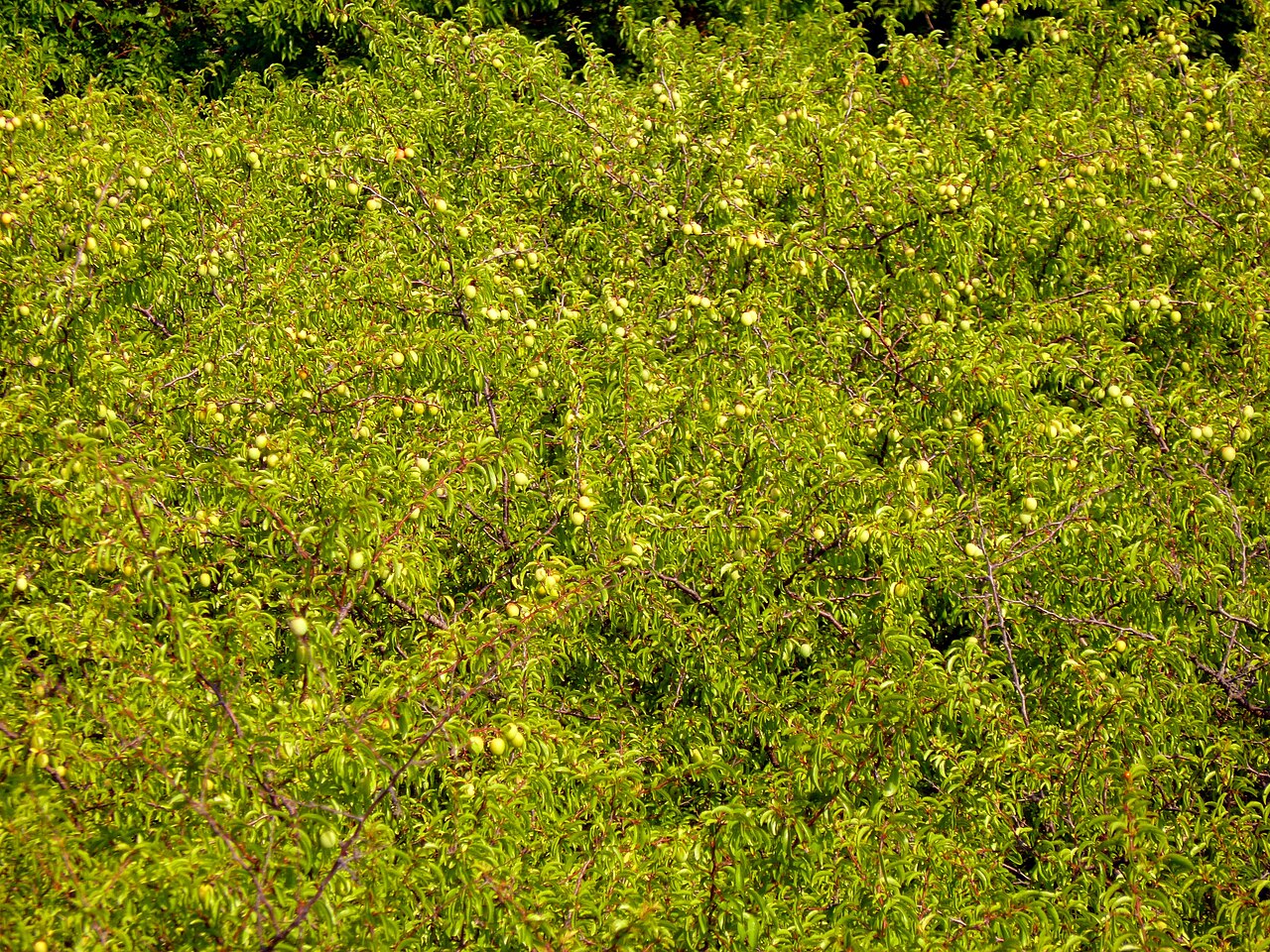
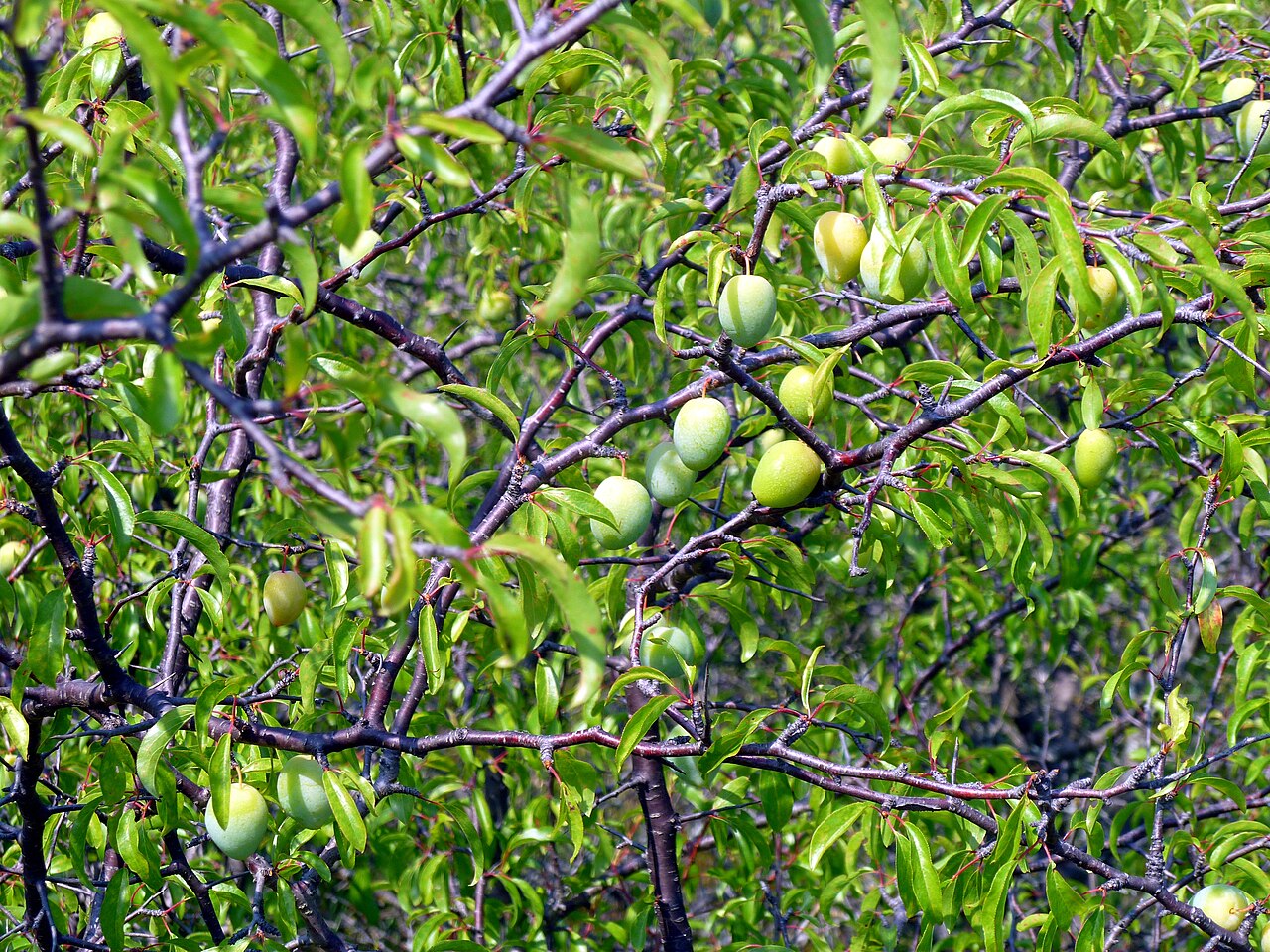
Thicket-forming wildlife shrub/small tree. Chickasaw Plum builds dense low cover for nesting birds and small game, offers early pollinator bloom, and fruits heavily. It naturally forms colonies that anchor woodland edges and shelterbelt understory.
Site Suitability
PrimaryShelterbelt and woodland edges
SecondaryDrainage Savanna Corridor, Filter Band margins
AvoidWet drainage core, standing water
SoilsSeC, SuB, RuB
HydrologyDry to moderate; well-drained
Propagation & Care
Seed collectionCollect ripe plums early summer. Pulp must be cleaned promptly.
StratificationClean seed and cold-moist stratify 60–120 days. Suckering is faster and truer than seed.
PropagationPreferred: lift dormant root suckers from a donor thicket in winter and pot up. From seed: sow after stratification, expect uneven germination.
Container progressionSucker / seed → 5-inch pot → 1-gal fabric if needed → Field planting in clusters to establish a thicket.
Nursery wateringModerate while establishing; tolerant once rooted. — Fabric stage (if the plant moves up from the 5-inch pot): fabric dries much faster than plastic and needs substantially more frequent watering outdoors in a Central Texas summer; the exact frequency is not yet set at the bench (open).
LightFull sun for best fruiting and density.
OutplantingBest age 6–12 months. Plant November–February. Stock held in a 1-gal fabric pot may be outplanted later — air-pruned roots don’t circle, so the window extends; the actual figure will come from the first cohort.
Establishment Watering
- Year 1: 5 gallons every 2 weeks during drought.
- Year 2: drought only.
Field notesPlant in groups and let it colonize. A Chickasaw Plum thicket is one of the highest-value habitat features we can build quickly.
Quick Reference
Difficulty2 / 5
Growth rateFast
DroughtVery good
FloodFair
WildlifeExcellent
Browse PressureModerate; browses young growth
MethodRoot suckers
Container5-inch pot → 1-gal fabric if needed
SourcesPropagation data from the Short’s Resort Native Tree & Shrub Propagation Manual (SR-PROP-01). Photographs via Wikimedia Commons under the licenses noted on each image; credit to the individual photographers above.