Species Plate · Structural Shrubs
Mexican Buckeye
Restoration Role
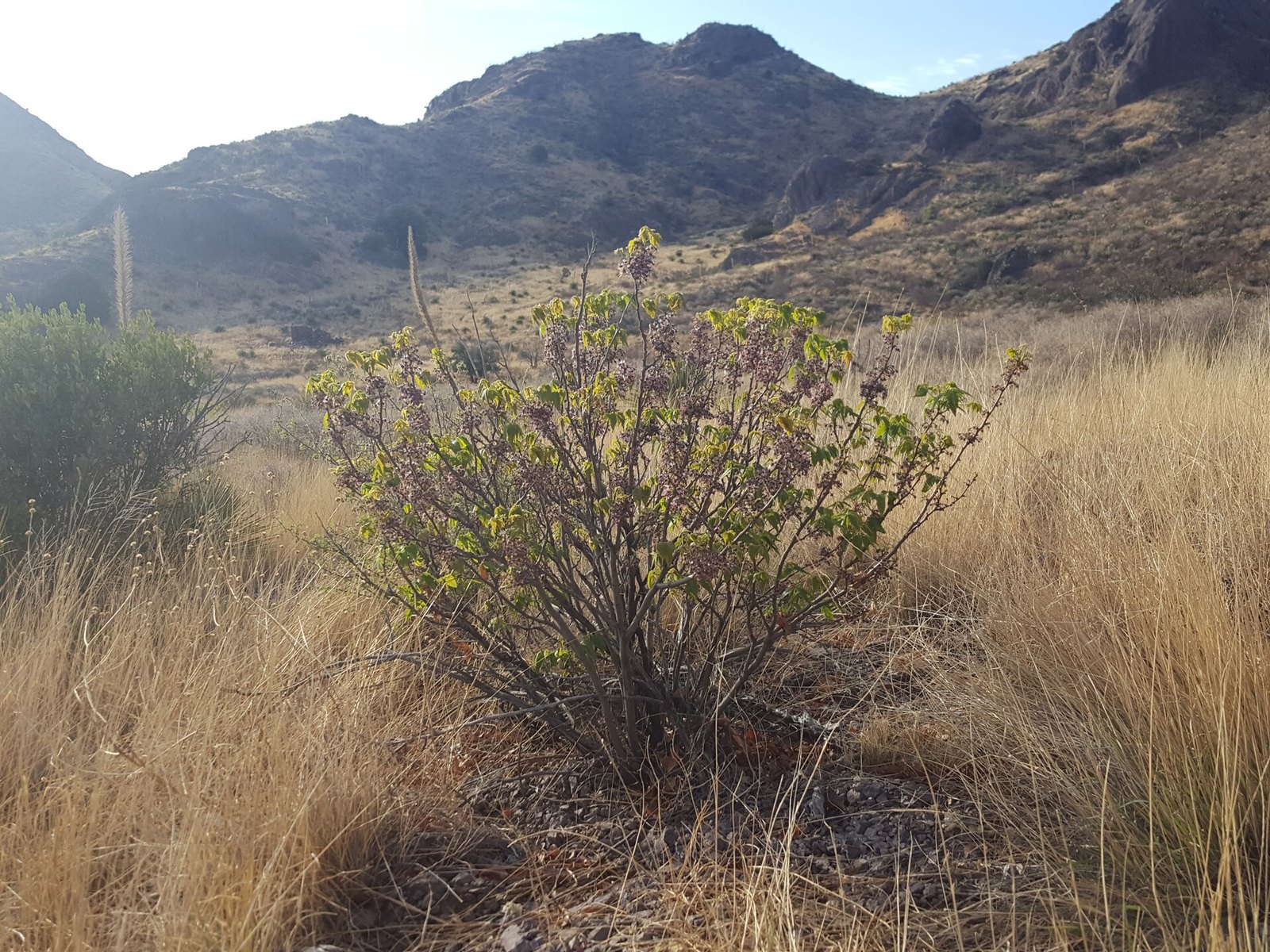
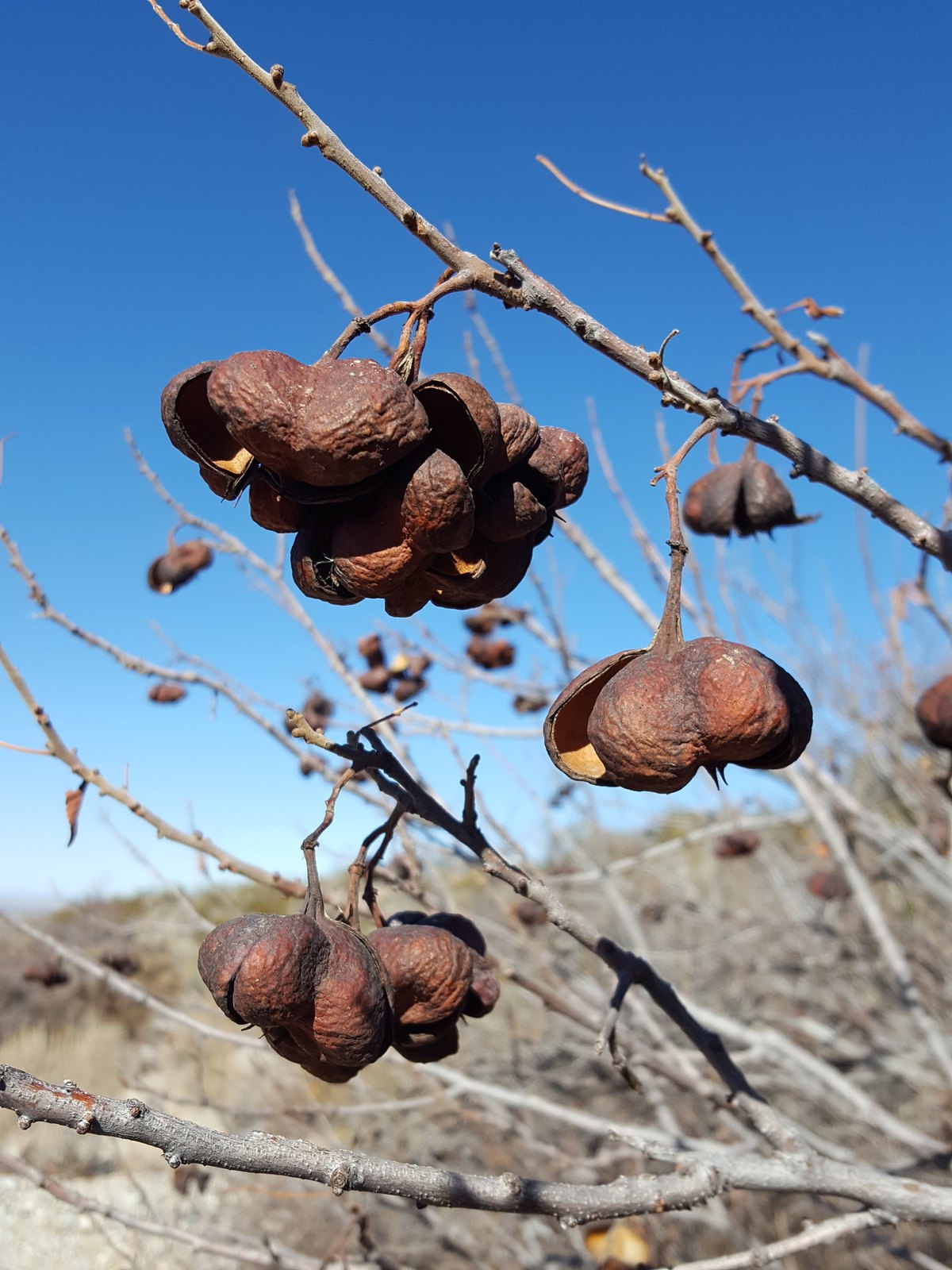
Understory small tree for motte edges and the shelterbelt. Mexican Buckeye flowers pink in March before the leaves are fully out — one of the first native blooms on limestone and a bee and butterfly plant when little else is open — and holds its three-lobed capsules through winter. Multi-trunked, 8–20 feet, and at home on caliche and rock. Not a buckeye: it is in the soapberry family, and every part of the seed is poisonous.
Site Suitability
PrimaryWestern Headwaters Savanna motte edges, Eastern Shelterbelt understory
SecondaryDry margins of the Drainage Savanna Corridor, rocky draws
AvoidWet drainage core, floodplain, and anywhere near the cabin or where children play
SoilsSeC, SuB, RuB — shallow calcareous ground, caliche and rock
HydrologyDry, well-drained
RangeIn range: NPSOT lists it for the Cross Timbers and names the Limestone Cut Plain itself, as well as the Edwards Plateau (Balcones Canyonlands, Llano Uplift).
Propagation & Care
Seed collectionCapsules ripen August–October, turning dark reddish brown and splitting to show shiny black seeds. Collect before they drop. Handle as poisonous: gloves, and none in a pocket.
StratificationNPSOT: fresh seed germinates in about three weeks. Sow it fresh in fall, no treatment. We have not tried stored seed.
PropagationSeed only for us so far — sown fresh, one per cell, in a D40 for the taproot. Cuttings are untested here.
Container progressionSeed → 5-inch pot → D40 Deepot → Field planting singly at motte edges or in loose groups of three.
Nursery wateringLow. Rot in a wet cell is the main way to lose it.
LightSun to part shade; bloom is heaviest in sun.
OutplantingBest age 8–14 months. Plant November–February.
Establishment Watering
- Year 1: 5 gallons every 2–3 weeks during drought.
- Year 2: drought only.
Field notesThe seed is poisonous to people — NPSOT says so on its own page, and so do we. Site it away from the cabin. Provenance: purchased — ten D40 bareroot seedlings from West Texas Nursery (Texas A&M Forest Service, Idalou), ordered September 2026, Texas-native seed; no record of it on the property yet.
Quick Reference
Difficulty2 / 5
Growth rateModerate
DroughtExcellent
FloodPoor
WildlifeGood
Browse PressureLow — generally left alone; the foliage and seed are toxic
MethodSeed
ContainerD40 Deepot
SourcesPropagation data from the Short’s Resort Native Tree & Shrub Propagation Manual (SR-PROP-01), checked against the NPSOT Native Plants Database and USDA PLANTS in September 2026. Names follow USDA PLANTS; where NPSOT files the plant differently, its name is given under the title. Browse-pressure ratings are the station’s own judgement, checked against the Lady Bird Johnson Wildflower Center. Photographs via Wikimedia Commons under the licenses noted on each image; credit to the individual photographers above.