Species Plate · Vine
Mustang Grape
Restoration Role
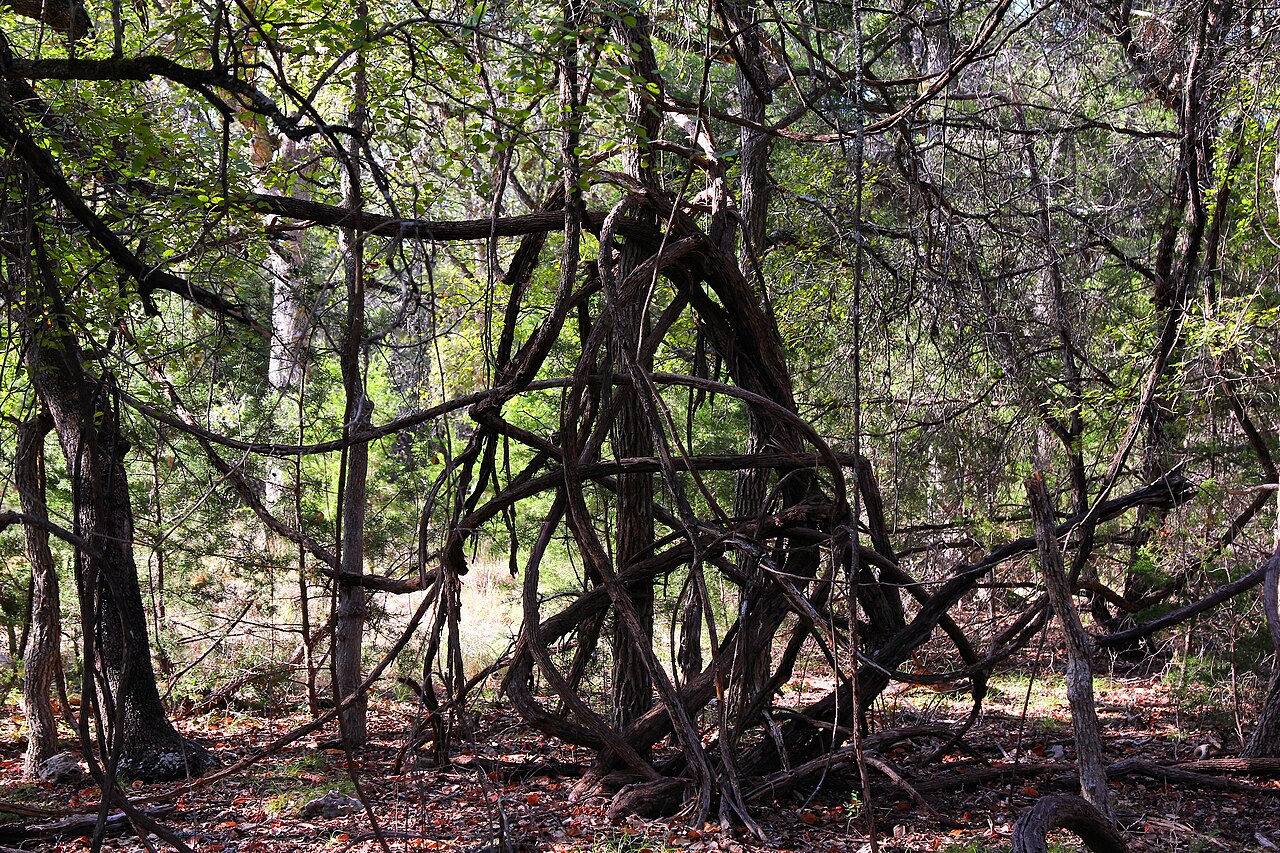
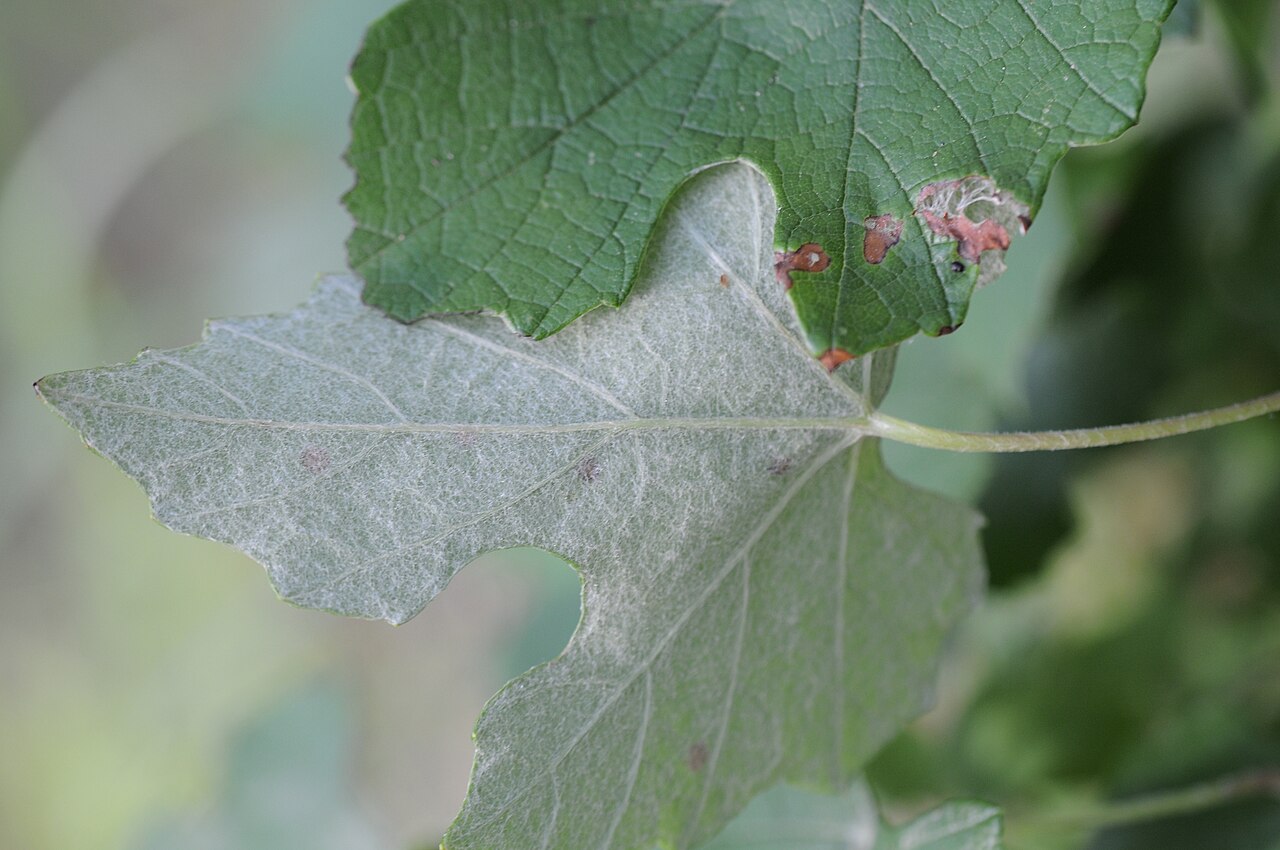
Tough native wildlife vine. Mustang Grape provides fruit for birds and mammals, cover, and vertical habitat complexity along wooded edges and riparian corridors. It is the more drought-hardy, upland-tolerant of our two native grapes.
Site Suitability
PrimaryRiver Conservation Strip, Drainage Savanna Corridor
SecondaryShelterbelt and woodland edges
AvoidOpen upland prairie with no support structure
SoilsBeB, Oa, SeC edges
HydrologyAdaptable; tolerates dry ground once established
Propagation & Care
Seed collectionCollect ripe grapes in summer. Vegetative propagation preferred for known vines.
StratificationFor seed: clean pulp, cold stratify 60–90 days. Cuttings bypass this.
PropagationPreferred: dormant hardwood cuttings in late winter, rooted in well-drained media. From seed: sow 1/4–1/2 inch deep after stratification.
Container progressionCutting → 5-inch pot → 1-gal fabric if needed → Field planting beside a support tree or trellis.
Nursery wateringModerate while rooting; drought-tolerant afterward. — Fabric stage (if the plant moves up from the 5-inch pot): fabric dries much faster than plastic and needs substantially more frequent watering outdoors in a Central Texas summer; the exact frequency is not yet set at the bench (open).
LightBright light to full sun.
OutplantingBest age 6–12 months. Plant November–February. Stock held in a 1-gal fabric pot may be outplanted later — air-pruned roots don’t circle, so the window extends; the actual figure will come from the first cohort.
Establishment Watering
- Year 1: 5 gallons every 2 weeks during drought.
- Year 2: drought only.
Field notesVitis mustangensis is dioecious — only female vines fruit, and they need a male nearby. Propagate from known female vines where fruit is the objective, and include a male for pollination. The rugged upland counterpart to Muscadine. Fruit is intensely acidic when raw — excellent for wildlife and for jelly.
Quick Reference
Difficulty3 / 5
Growth rateFast
DroughtExcellent
FloodModerate
WildlifeExcellent
Browse PressureLow to moderate
MethodCuttings
Container5-inch pot
SourcesPropagation data from the Short’s Resort Native Tree & Shrub Propagation Manual (SR-PROP-01). Photographs via Wikimedia Commons under the licenses noted on each image; credit to the individual photographers above.