Species Plate · Wildlife / Succession Trees
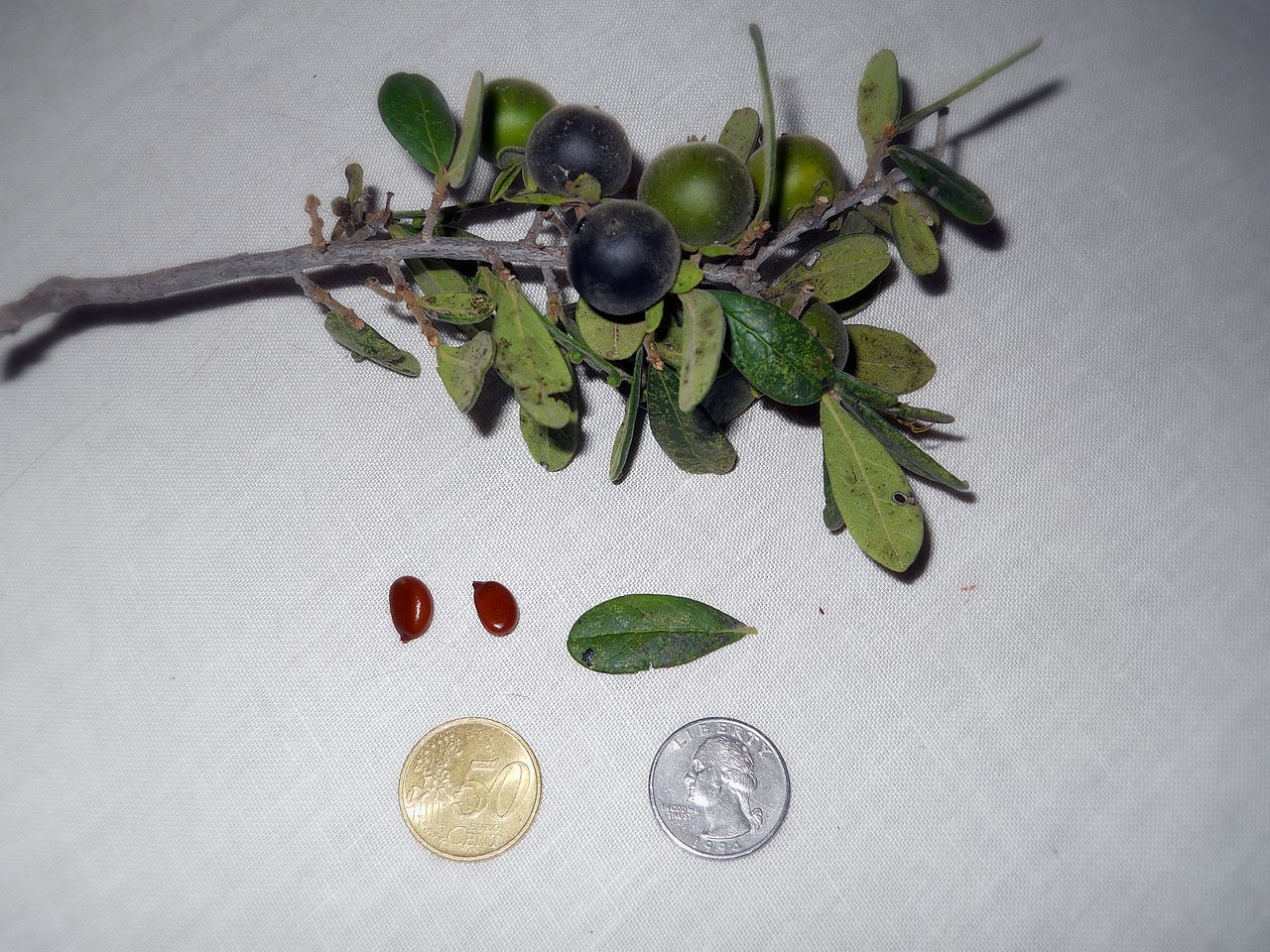
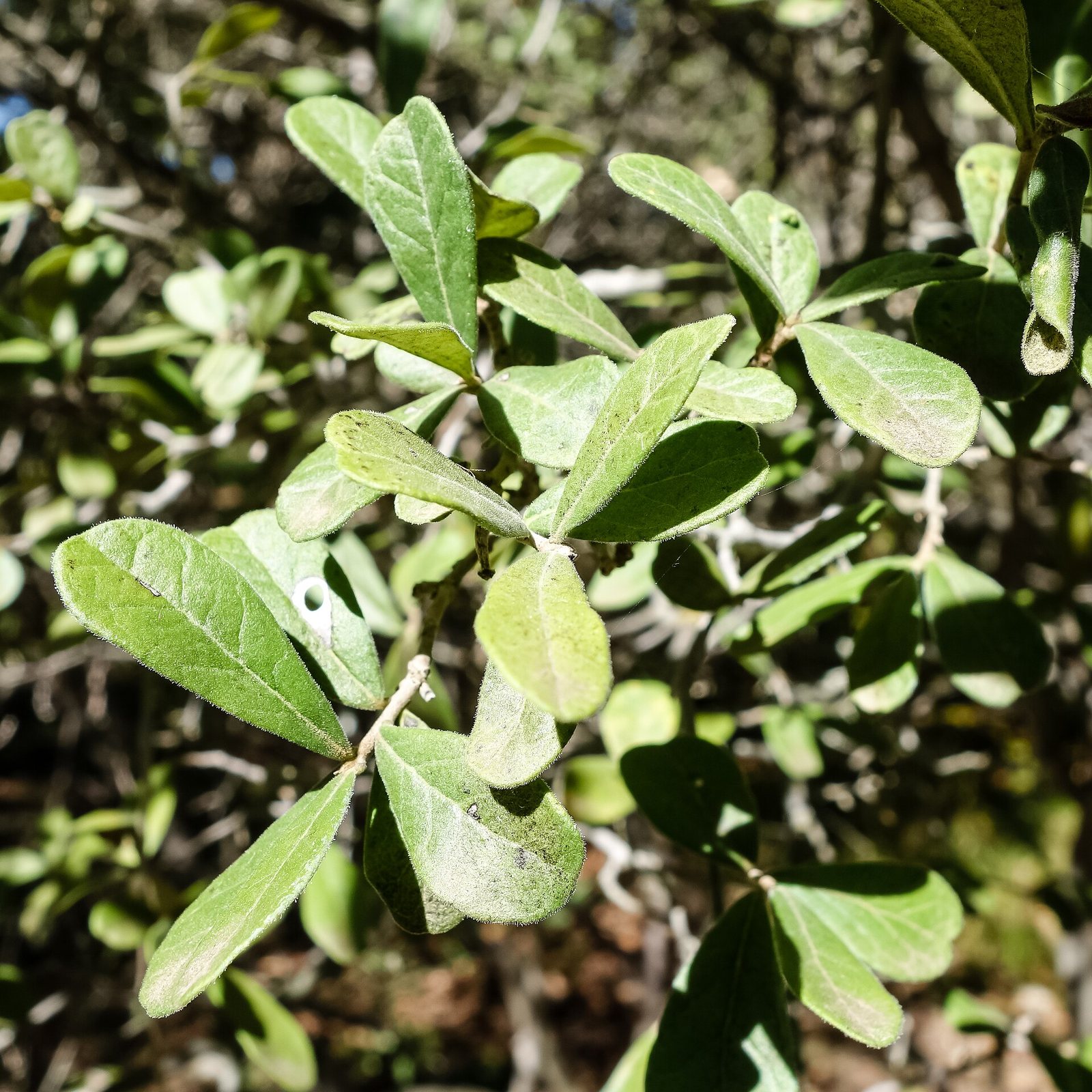
Texas Persimmon
Restoration Role
Wildlife tree / structural understory. Texas Persimmon provides fruit, cover, sculptural form, and exceptional drought tolerance.
Site Suitability
PrimaryShelterbelt, Upland Savanna, Filter Band, River high terrace
SecondaryDrainage edges
AvoidWet drainage core
SoilsSeC, RuB, SuB
HydrologyDry to moderate, well-drained
Propagation & Care
Seed collectionCollect ripe black fruit in summer to early fall.
StratificationClean pulp completely. Cold stratification 60–90 days recommended.
PropagationDiospyros texana is dioecious — only female plants fruit, and they need a male nearby. Propagate from known female plants where fruit is the objective, and include males for pollination. Sow 1/4–1/2 inch deep. The manual lists Texas persimmon among its hybrid seed-and-cutting species; cuttings are also possible for cloning proven individuals, though seed is the more reliable route.
Container progressionSeed → Bootstrap Cell → D40 → Field planting.
Nursery wateringModerate. Avoid soggy media.
LightBright light to full sun.
OutplantingBest age 6–18 months. Plant November–February.
Establishment Watering
- Year 1: 5–10 gallons every 2 weeks during drought.
- Year 2: drought only.
Field notesBecause a fruiting tree is already available on the property, this should be a priority seed-collection species.
Quick Reference
Difficulty2 / 5
Growth rateSlow to moderate
DroughtExcellent
FloodPoor to fair
WildlifeExcellent
Browse PressureModerate
MethodSeed / cuttings
ContainerBootstrap Cell → D40
SourcesPropagation data from the Short’s Resort Native Tree & Shrub Propagation Manual (SR-PROP-01). Photographs via Wikimedia Commons under the licenses noted on each image; credit to the individual photographers above.